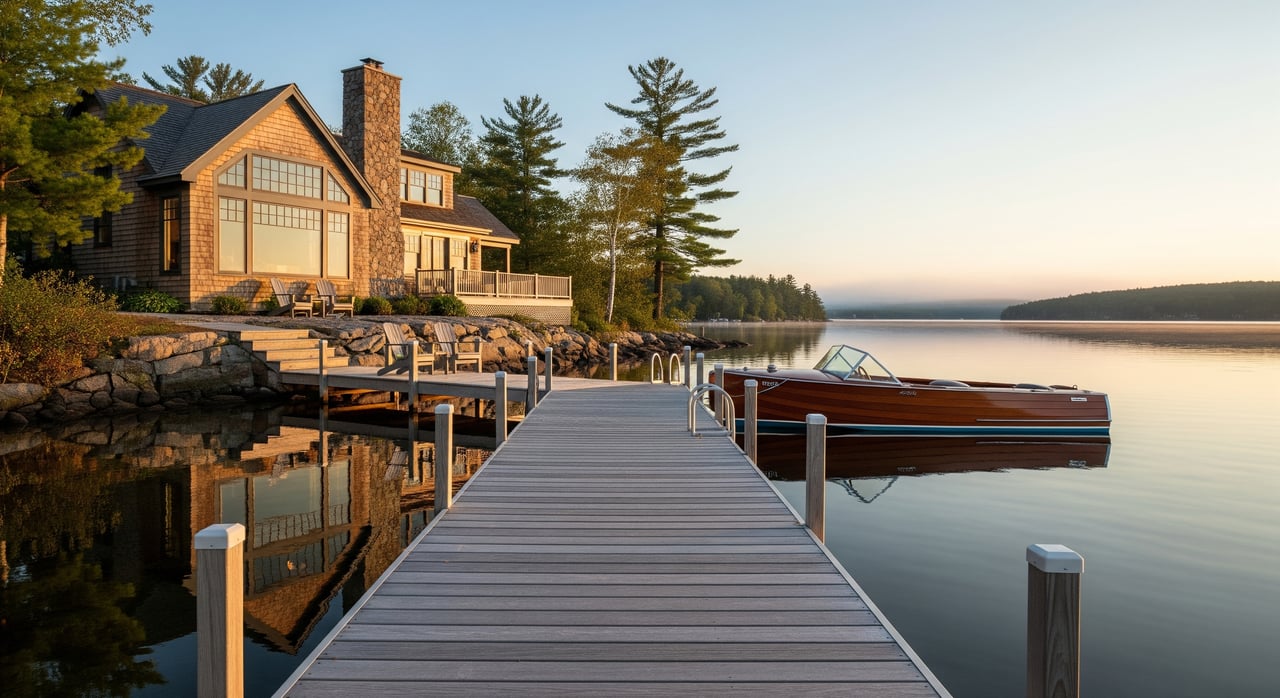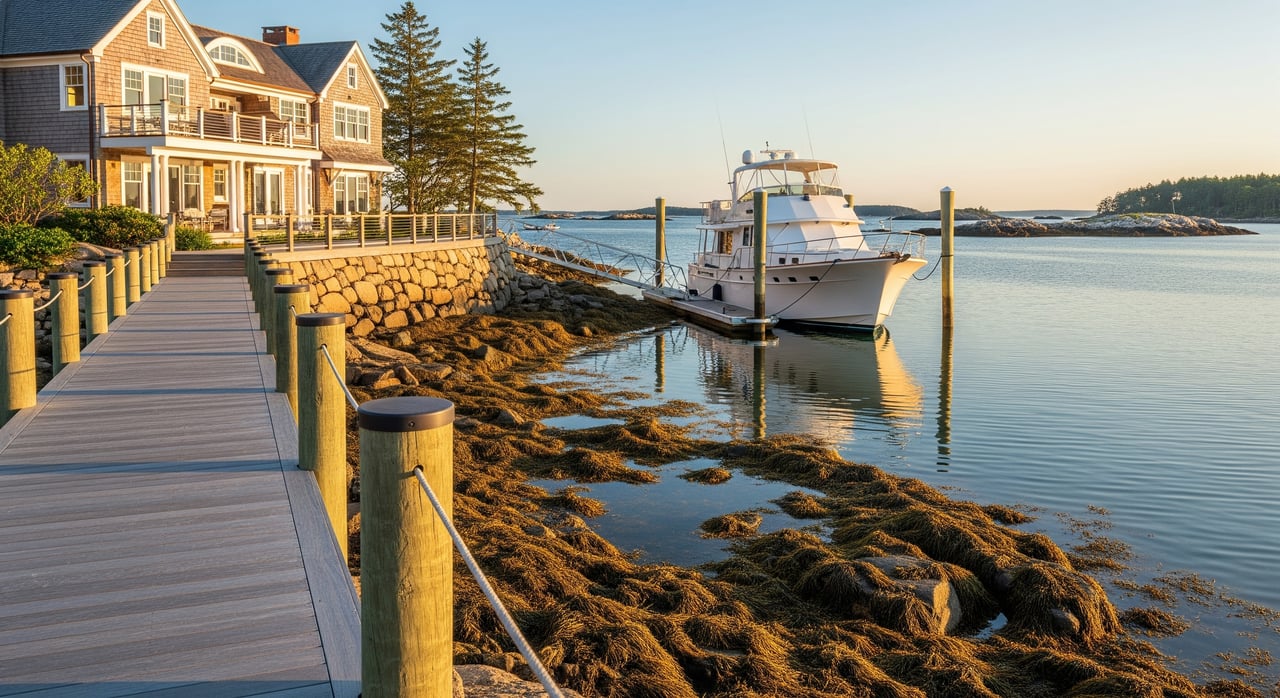
Buying or selling oceanfront land in Phippsburg can feel thrilling and overwhelming at the same time. The views and privacy are unmatched, yet the rules, permits, and site constraints can be complex. You want clarity on what you can build, how to value the property, and how to move forward without costly surprises. This guide gives you a clear roadmap for due diligence, permitting, valuation, costs, and smart marketing steps specific to Phippsburg, ME 04562. Let’s dive in.
Phippsburg shoreline reality
Phippsburg sits on a scenic Midcoast peninsula in Sagadahoc County, with long stretches of tidal shoreline and natural amenities like Popham Beach State Park. Many oceanfront parcels here touch tidal waters, dunes, bluffs, or beach areas. That beauty comes with real constraints such as shoreland zoning, erosion risk, and limited infrastructure in some locations.
If you plan to buy or list oceanfront land, you will navigate both local and state rules. The Town of Phippsburg administers shoreland zoning and permits. Maine DEP regulates tidal resources and protected features, and the U.S. Army Corps of Engineers oversees work below the mean high water line. FEMA flood maps, septic feasibility, and access to utilities are also key to your plan.
What drives value
Oceanfront land value in 04562 is driven by what you can enjoy and what you can build. The market rewards clear, usable upland, strong views, and convenient access.
Primary value factors:
- Direct water frontage and unobstructed ocean views
- Private beach access or proximity to beaches and boat ramps
- Size of the buildable upland area outside wetlands
- Year-round road access and available utilities
- Proximity to local amenities, including Popham Beach State Park
Negative value factors:
- High erosion risk or unstable bluffs
- Limited buildable upland or strict conservation restrictions
- Expensive septic or utility extensions
- Location in high hazard flood zones
- Seasonal or limited access conditions
When comparing sales, adjust for usable upland, deeded access, and expected costs to design, permit, and build. Tax assessments can lag market values for raw land, so treat them as one data point, not the whole picture.
Rules you must navigate
The coastal permitting framework has several layers. Understanding where your site sits within these rules helps you set realistic timelines and budgets.
Municipal shoreland zoning
Phippsburg implements Maine’s shoreland zoning locally. You will see minimum setbacks, lot size, frontage, and vegetation rules within the shoreland zone. Always verify buildability with the Phippsburg Code Enforcement Officer and Planning Board before you list or make an offer. Local approvals may include zoning and building permits, and in some cases subdivision review.
NRPA and Maine DEP
Maine’s Natural Resources Protection Act regulates activities that affect wetlands, streams, and tidal waters. Work in or near tidal wetlands, sand dunes, or protected resources often requires review or permitting through Maine DEP. Early conversations with the town and a qualified consultant can help you determine whether NRPA applies to your plan.
Army Corps of Engineers
Any structure or fill below the mean high water line, or in navigable waters, may need permits from the U.S. Army Corps of Engineers. These reviews often run in coordination with Maine DEP. Plan for additional time if your project touches the intertidal zone.
FEMA flood mapping
FEMA Flood Insurance Rate Maps define flood zones and base flood elevations. These affect building elevations, foundation design, and insurance needs. If your lot sits in a special flood hazard area, expect additional design and compliance steps.
Septic and wastewater rules
On-site wastewater rules govern septic design and siting. In many coastal areas, soils determine whether a standard or alternative system is feasible. Septic suitability is often a hard constraint on what you can build and where you can place it.
Dunes and bluffs
Coastal sand dunes and some bluffs are protected, and hard stabilization can be restricted. If your shoreline includes dunes or a bluff, bring in a coastal engineer early to assess stability and setback implications.
Timelines and expectations
Simple single-family projects outside regulated resources can move through local approvals more quickly. Projects that involve tidal wetlands, dunes, or work below mean high water typically need Maine DEP and Army Corps review and can take several months. Build in time for multiple approvals and professional design.
Site due diligence checklist
A stepwise approach reduces risk and helps you make firm decisions with confidence.
Title and legal status
- Order a full deed and title search at the Sagadahoc County Registry of Deeds
- Verify lot size, frontage, access rights, and any easements or covenants
- Confirm the lot is considered buildable under local ordinances
Survey and setbacks
- Commission a boundary survey and certified plot plan
- Map shoreland setbacks, wetlands, and the potential build envelope
Soils and septic
- Conduct soil test pits and perc tests
- Obtain a written septic feasibility opinion from a licensed professional
Wetlands and tidal resources
- Have a qualified scientist delineate wetlands and intertidal areas if present
- Determine whether NRPA jurisdiction applies
Flood and elevation
- Check FEMA flood zone and base flood elevation
- Consider an elevation certificate if needed for design or insurance
Geotechnical and coastal stability
- For bluff or dune sites, engage a coastal or geotechnical engineer
- Evaluate erosion rates and long-term stability
Utilities and access
- Verify availability and cost to bring power, communications, and water
- Confirm year-round road maintenance and any right-of-way conditions
Municipal pathfinding
- Meet with the Phippsburg Code Enforcement Officer and Planning Board
- Outline your concept and confirm likely permit steps and submissions
Septic, water, and utilities
Septic design is central to feasibility on many Phippsburg lots. Soils testing determines setbacks to water and wetlands and the type of system you can install. If a standard system is not possible, an advanced treatment system may work, but it can raise costs and require more engineering.
Private wells are common. Near the shore, groundwater can be brackish. A well contractor or hydrogeologist can help you understand options and likely yields. For utilities, confirm the distance to power and communications lines. Long extensions or underground service can add significant cost and should be part of your budget planning.
Flood, erosion, and shoreline stability
Flood zones influence foundation choices and insurance. In higher-risk areas, you may need elevated foundations or specialized designs. An elevation certificate and a site-specific plan from your engineer help align your build with local and FEMA standards.
Erosion and sea level rise are critical long-term considerations. Historical shoreline change and bluff retreat rates inform both design and valuation. If your site includes a bluff, a geotechnical or coastal engineering assessment is a smart early step to understand stability and setbacks.
Development costs to budget
Your budget will mix acquisition, consulting, permitting, and construction. Plan conservatively and include contingencies.
- Land and closing: purchase price, closing costs, and title insurance
- Due diligence: survey, soils and perc tests, wetland delineation, septic design, geotechnical or coastal studies
- Professional fees: engineers, architects, environmental consultants, and permit fees
- Site work: driveway, grading, well, septic system, stormwater controls
- Foundations and structure: elevated or specialized foundations to meet flood codes, wind-resilient details
- Utilities: power and communications extensions, underground service if desired
- Coastal-specific items: dune protection, living shoreline approaches, or stabilization if permitted
- Financing: higher down payments and interest rates are common for raw land; construction loans have separate requirements
- Insurance: flood and wind coverage based on location and design
Smart steps for sellers
Sellers who prepare well reduce buyer uncertainty and often improve outcomes. A clean, well-documented listing stands out in Phippsburg’s oceanfront segment.
- Confirm buildability and setbacks with the town
- Provide an updated boundary survey and plot plan
- Share soils and septic feasibility results
- Disclose FEMA flood zone and any elevation considerations
- Note all easements, covenants, or conservation restrictions
- Use premium marketing: aerial and shoreline imagery, clear diagrams of the potential build area, and a concise summary of the permit path
Highlight what matters most to buyers: usable upland, access and utilities, proximity to Popham Beach State Park, and any completed engineering. Be transparent about known constraints to build trust and streamline negotiations.
Buying strategy in Phippsburg
Go in with a staged plan. Before you write an offer, review recorded documents, utility access, and basic buildability. After you are under contract, run soils, survey, wetlands, and town consultations during your due diligence period. Your contingencies should cover septic approval, wetlands and NRPA clearance, and local permit feasibility.
Financing for raw land can be more stringent than for finished homes. Some buyers use cash or line up construction financing early. If flood insurance will be required, obtain preliminary insurance quotes and confirm elevation requirements with your design team.
Timeline and expectations
Project timelines vary by site. A simple home outside regulated resources may proceed mainly through local approvals. Any plan that touches tidal wetlands, dunes, or requires work below mean high water usually involves state and federal review and can take several months. Build in time for engineering, design revisions, and multi-agency coordination.
Your next move
Whether you are evaluating a bluff-front parcel near the mouth of the Kennebec or listing acreage with tidal frontage, the path is clearer when you lead with facts and sequence. Start with the town, confirm septic and setbacks, and scope your permit path before you spend heavily on design. If you are selling, package these answers into your listing to help serious buyers move quickly.
If you want a discreet, high-touch partner to guide valuation, due diligence, and premium marketing for oceanfront land in 04562, reach out to Colin Harvey. Let’s connect.
FAQs
What permits do I need for a dock in Phippsburg?
- Work below the mean high water line typically requires Maine DEP review under NRPA and permits from the U.S. Army Corps of Engineers, along with local approvals.
How do FEMA flood zones affect building on oceanfront lots?
- Flood zones and base flood elevations can dictate foundation type and elevation and influence insurance requirements and costs for your future home.
What is NRPA and when does it apply on coastal land?
- The Natural Resources Protection Act regulates activities that affect wetlands, streams, tidal waters, dunes, and other protected resources; many shoreline projects trigger NRPA review.
How do I confirm septic feasibility on a coastal parcel?
- Order soils and perc tests and obtain a septic feasibility opinion; if standard systems are not possible, an engineered alternative may be considered at added cost.
How does erosion or bluff stability impact value?
- Erosion risk can limit buildable area, increase design costs, and affect insurability; a coastal or geotechnical assessment clarifies long-term stability and setbacks.
What should I prepare before listing oceanfront land?
- Provide a survey, soils and septic results, flood zone information, documentation of utilities, and clear disclosure of any easements or conservation restrictions to build buyer confidence.