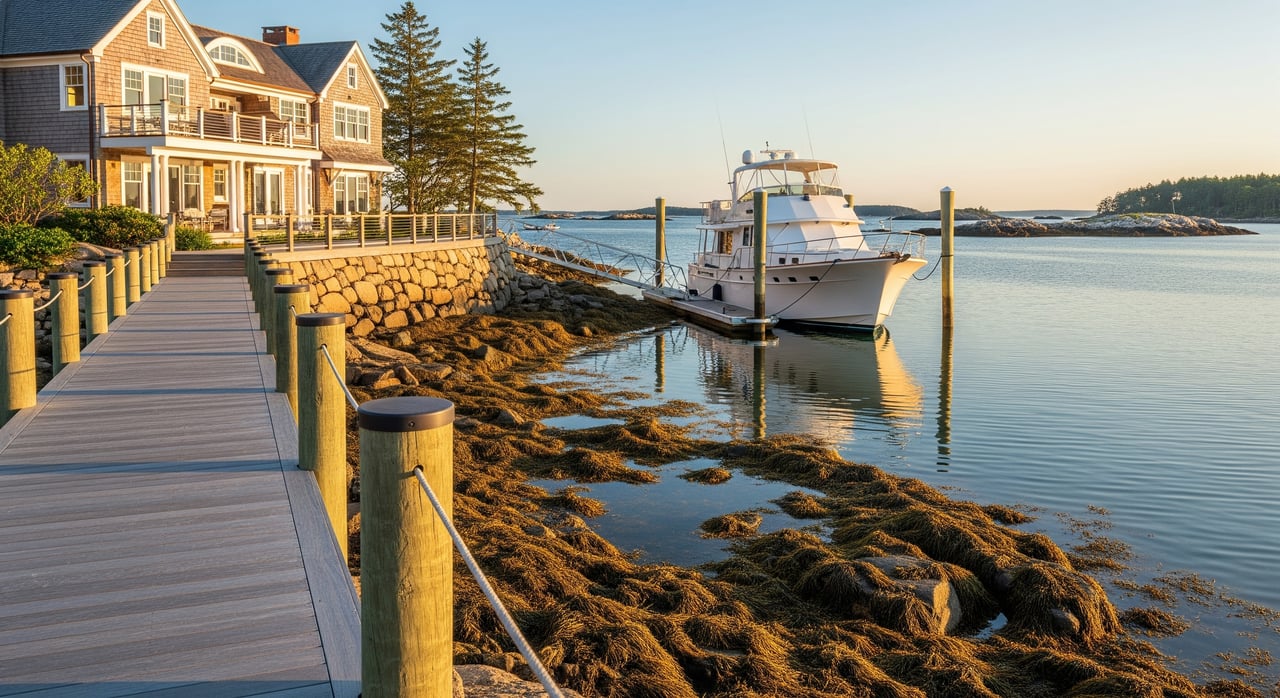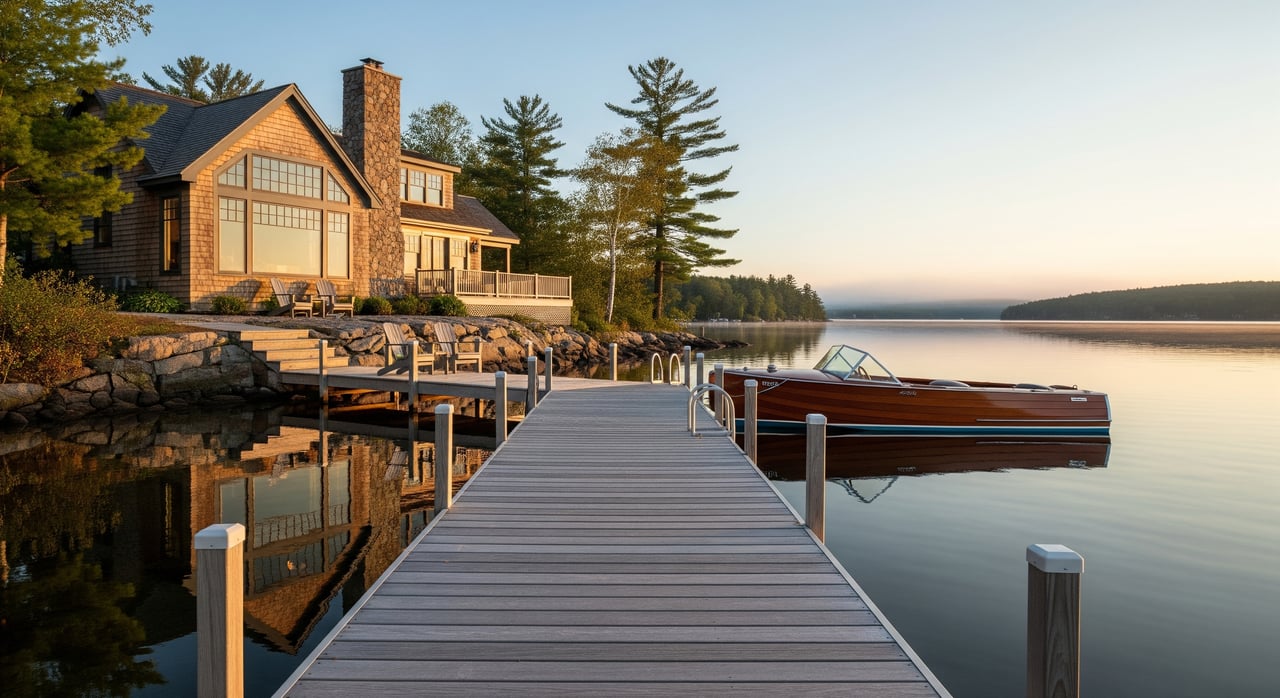
Shopping for a lake home in the Belgrade Lakes can feel puzzling. Two cottages with similar square footage can be priced very differently. If you are buying or selling, it helps to understand the quiet details that move value on the water. In this guide, you will learn the physical, regulatory, and market factors that shape price in this region, plus practical steps to protect your investment. Let’s dive in.
What drives lakefront value
Lake traits that shape price
On the water, the lake itself is the product. Larger lakes and lake chains often command higher prices because they offer more boating routes and recreation options. Buyers also look at whether a property sits on open water, a secondary pond, or a narrow cove. The experience can be very different in each setting.
Depth matters for everyday use. Deep water close to shore is favored for swimming and larger boats. Shallow, marshy edges or a ledge-dominated shoreline can limit swimming and docking. Seasonal water-level changes also affect how you use the frontage. Some lakes have managed dams that shift levels during the year, which influences dock placement and shoulder-season access.
Water quality and clarity are central to value. Monitoring programs in the Belgrade Lakes area track clarity, algal activity, and long-term trends. Reviewing records from a local lake association or statewide volunteer monitoring programs helps you confirm recent conditions. Clearer water, stable quality, and a clean history are strong positives for both lifestyle and resale.
Shoreline and frontage details
Frontage length is a key metric, but it is not the only one. More feet usually means more privacy and options, yet value per foot changes with the usability of the shoreline. A gentle slope and sandy entry is typically more attractive for daily swimming than a steep bank or cattail edge.
Erosion and stability are important. Active bank erosion, older bulkheads, or extensive armoring can signal future permitting needs and added costs. The amount of buildable upland between the high-water mark and your structures affects what you can add or expand. Buyers often pay a premium when a lot offers a clear, compliant footprint for improvements.
Access, views, and navigation
The type of access you hold matters. Deeded, private frontage carries a different market profile than shared or right-of-way access. Proximity to navigable corridors and public or private boat launches also shapes convenience.
Views and orientation add a lifestyle premium. Wide, open-water views, sun exposure that fits your routine, and a thoughtful tree canopy can all influence desirability. Long sightlines often bring stronger buyer interest, while a protected cove can appeal to those who value calm waters and quieter settings.
Ecology and potential nuisances
Invasive aquatic plants and animals affect both enjoyment and maintenance. A history of invasive plant detections, or active management programs, is a material factor for buyers. Review local lake association updates and statewide monitoring summaries when you evaluate a specific shoreline.
Recurring algal blooms and phosphorus loading reduce recreational appeal and can point to stress in the watershed or aging septic systems. Wildlife and insects are natural parts of lake life. On some wetland-rich shorelines, you may notice more mosquito pressure in warmer months. Understanding these realities helps you set expectations and plan seasonal routines.
Utilities, roads, and site logistics
Septic capacity and potable water access often set the ceiling on what is possible. Limited soils, shallow bedrock, or older systems can constrain renovation plans and add upgrade costs. A licensed septic designer or soils professional can help you evaluate capacity and replacement area.
Roads and utilities matter for year-round use. Private, seasonal roads carry different access and maintenance obligations than town-maintained, year-round roads. Buyers should confirm winter plowing and any road association dues. Electricity and broadband availability also influence value for those seeking full-time or remote-work stays.
Regulations that affect value
Shoreland zoning basics
Maine’s shoreland zoning is administered locally and guides what you can build or remove near the water. Town ordinances may include setbacks, lot coverage limits, and tree removal standards in shoreland zones. Before you model any addition, confirm the zoning map, district, and ordinance text with the Town office and applicable state resources.
Setbacks and size limits can restrict additions, decks, and shoreline vegetation work. A clear survey that shows the high-water mark, frontage length, and existing structure locations is invaluable for planning.
Docks and shoreline structures
Docks, piers, and shoreline stabilization work often require permits. Some projects fall under the state’s natural resources protection rules, and specifics vary by lake and structure type. Mooring rules and wake zones may also apply, depending on the waterbody and local guidance.
If you plan to adjust a dock system or add a lift, confirm the pathways for municipal and state approvals before you invest in hardware or contractors. Buyers should ask for records of any past permits or violation notices.
Septic system rules
Onsite wastewater systems are closely regulated. Property transfers and building projects may trigger inspections, upgrades, or design reviews. Available replacement area is a critical factor for future improvements.
Before you finalize a purchase or list a home, gather septic plans, recent inspection results, and soil test information. A current, accurate picture of the system builds buyer confidence and can streamline underwriting.
Easements, covenants, and conservation
Some properties include conservation easements or restrictive covenants that limit tree removal, dock placement, or future structures. These reduce development potential but may help preserve water quality and scenic value in the area.
Deeded rights-of-way for shared access or drives are common around lakes. Clarify maintenance obligations, cost sharing, and any restrictions. A title review and recent survey help you avoid surprises and keep negotiations focused on facts.
Taxes, assessments, and insurance
Local assessed value, mill rates, and special assessments influence carrying costs. In some areas, road associations or lake treatment efforts collect dues or fees. Ask the Town assessor for the current tax picture and recent assessment history.
Confirm flood zone status for the parcel and discuss insurance with a knowledgeable provider. Lakeshore properties may or may not sit in a special flood hazard area. Seasonal homes, private roads, and certain shoreline risks can affect coverage terms and pricing.
Market dynamics and pricing
Pricing drivers and comps
Waterfront typically sells at a premium compared to nearby inland homes. The size of that premium depends on frontage length, buildability, water quality, and current demand on the specific lake. The best comps are recent sales on the same shoreline or on nearby, closely comparable lakes.
Match for seasonal versus year-round use, road type, and septic design when you select comps. Appraisers rely on these nuances. If a property has unique traits, such as a point location or exceptional frontage, expect a closer discussion on adjustments.
Seasonality and timing
Listing activity and buyer demand for lake homes often peak in spring and summer. Warmer weather makes showings and inspections easier, and more buyers travel during these months. That seasonality can influence days on market and pricing strategy.
If you are selling, plan your timeline to gather surveys, septic documents, and any permits before you go live. If you are buying, use the off-season to study comps and connect with local contacts so you can act quickly when the right home appears.
Buyer profile and financing
In the Belgrade Lakes, you will see a mix of second-home buyers, retirees, and local residents. Financing can differ for seasonal cottages compared to full-time residences. Some lenders prefer year-round occupancy and specific property features for standard loan products.
If a home is seasonal, confirm heat sources, insulation levels, and road access for winter. Share this information with your lender early to keep the process smooth. Appraisals are most straightforward when you can point to recent, like-kind waterfront sales.
Ongoing costs that shape offers
Carrying costs are part of the value equation. Dock installation and removal, winterization, septic maintenance, invasive species prevention, and private road dues add up across the year. Older shoreline structures or revetments may require capital improvements.
Estimate these items before you set your price or make an offer. Clear documentation helps both parties align on true ownership costs and can reduce last-minute concessions.
Buyer due diligence checklist
Use this list to focus your search and protect your investment:
- Deed and title: Obtain the full deed and confirm riparian rights, access, and any restrictions.
- Survey: Verify the high-water mark, measured frontage, setback lines, and easements.
- Town records: Request the assessor’s property card, recent tax bills, and building permit history.
- Septic: Review inspection reports, as-built plans, and soil test results; confirm replacement area.
- Water quality: Ask for monitoring reports from local lake associations and volunteer monitoring programs; review any invasive species history.
- Shoreline permits: Gather records of dock, shoreline stabilization, or boathouse permits and any notices of violation.
- Association documents: If applicable, obtain bylaws, dues schedules, and special assessment history for road or lake management groups.
- Insurance history: Request a claims history to understand past events and coverage.
Professionals who can help:
- Licensed shorefront surveyor for frontage and high-water mark confirmation.
- Licensed septic designer or soils scientist for capacity and replacement area.
- Environmental or lake consultant if contamination or invasive plants are suspected.
- Local code and shoreland zoning officials for permit history and allowed improvements.
- Real estate attorney for deed, easement, and covenant review.
- Experienced lake-property real estate advisor for comps, pricing, and negotiation.
Seller steps to protect value
- Document the shoreline: Maintain and, where allowed, enhance natural buffers. Keep records of any stewardship or stabilization work.
- Get inspection ready: Complete a current septic inspection and gather plans, permits, and surveys. A clean file builds trust.
- Disclose clearly: Share any invasive species history, shoreline work, easements, and association details up front.
- Present lifestyle: Thoughtful staging, professional media, and clear written guidance on access and seasonal routines help buyers see themselves at the property.
Smart questions to ask
- Is the property in a shoreland zoning district and what are the exact setbacks, coverage limits, and vegetation rules?
- Where is the surveyed high-water line and how was frontage measured?
- What is the history of invasive plant monitoring and water-quality trends on this lake?
- Are there shared road or access agreements and what are the costs and responsibilities?
- Have there been any flood events, bank stabilization projects, or insurance claims?
How a local advisor adds value
Lakefront success is about precision. The right advisor helps you verify water quality, confirm frontage and buildable area, and map a clear path for permits. You get pricing that reflects current demand and the specifics of your shoreline, not a generic inland template.
If you want a discreet, hands-on strategy for buying or selling in the Belgrade Lakes, connect with a trusted local specialist who blends valuation expertise with on-the-water perspective. When you are ready, reach out to Colin Harvey for a private consultation.
FAQs
What features boost lakefront value in the Belgrade Lakes?
- Larger, navigable water, deep-water swimming, clear water quality, usable frontage with a gentle slope, compliant buildable area, year-round access, and documented permits typically support stronger pricing.
How can I verify water quality for a specific lake?
- Request recent clarity and monitoring reports from a local lake association and statewide volunteer lake monitoring programs, and review any invasive species updates before you make an offer.
Can I add a boathouse, dock, or expand the home?
- Check shoreland zoning setbacks and local ordinance limits, and confirm permit requirements with municipal officials and state environmental resources before planning any work.
What should I know about septic systems at lake homes?
- Many projects or transfers require inspections or upgrades. Verify system capacity, locate the replacement area, and consult a licensed septic designer to understand options and costs.
Are private roads a problem for financing or insurance?
- Private, seasonal roads can affect winter access and underwriting. Confirm maintenance agreements, plowing plans, and any road association dues early in your process.