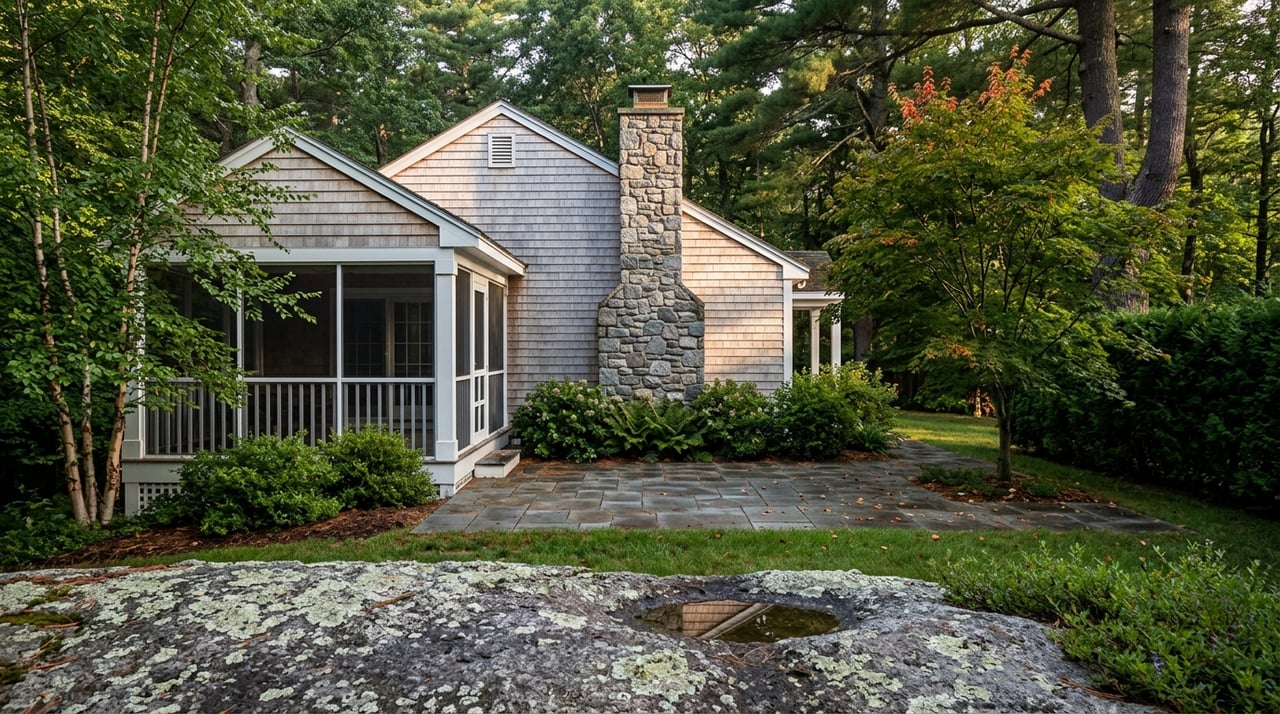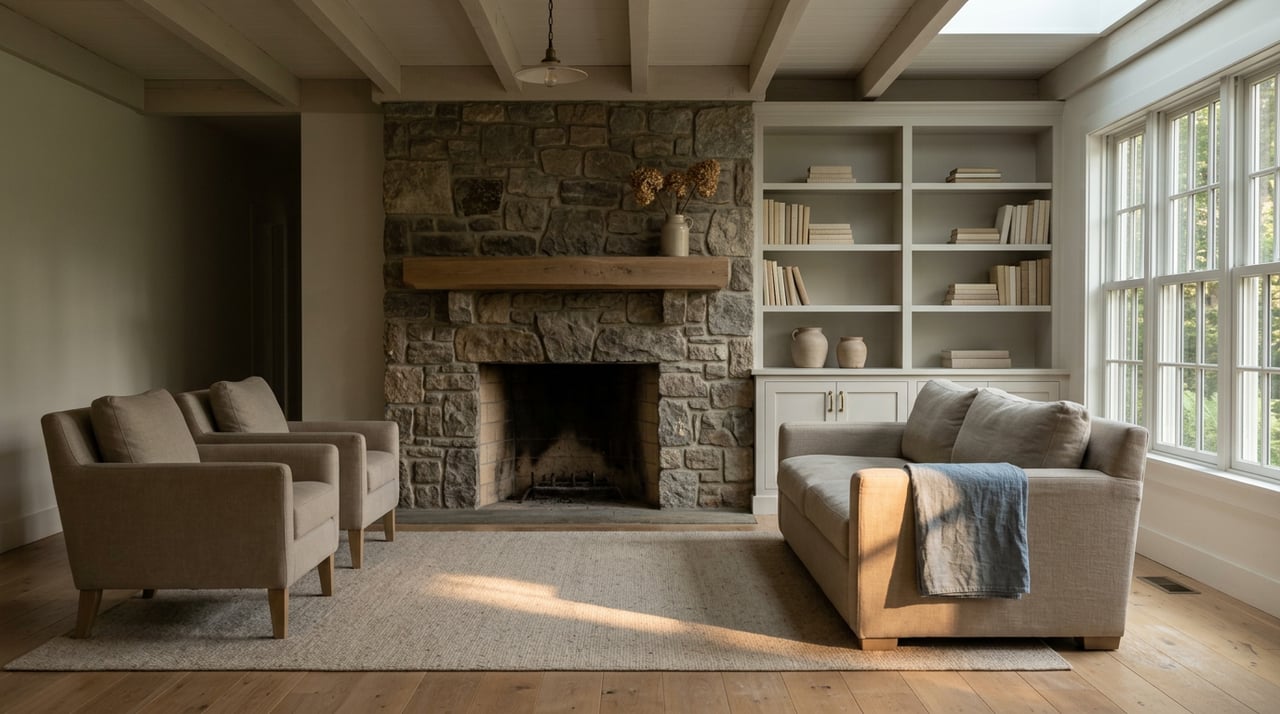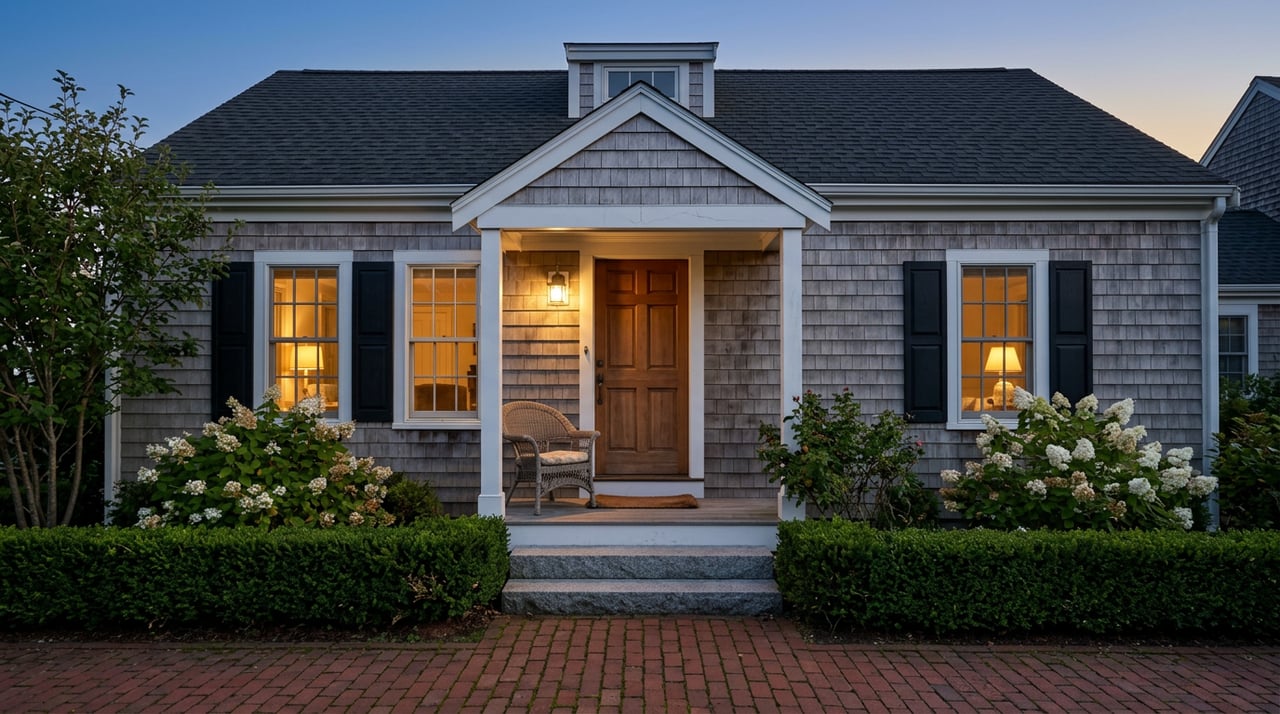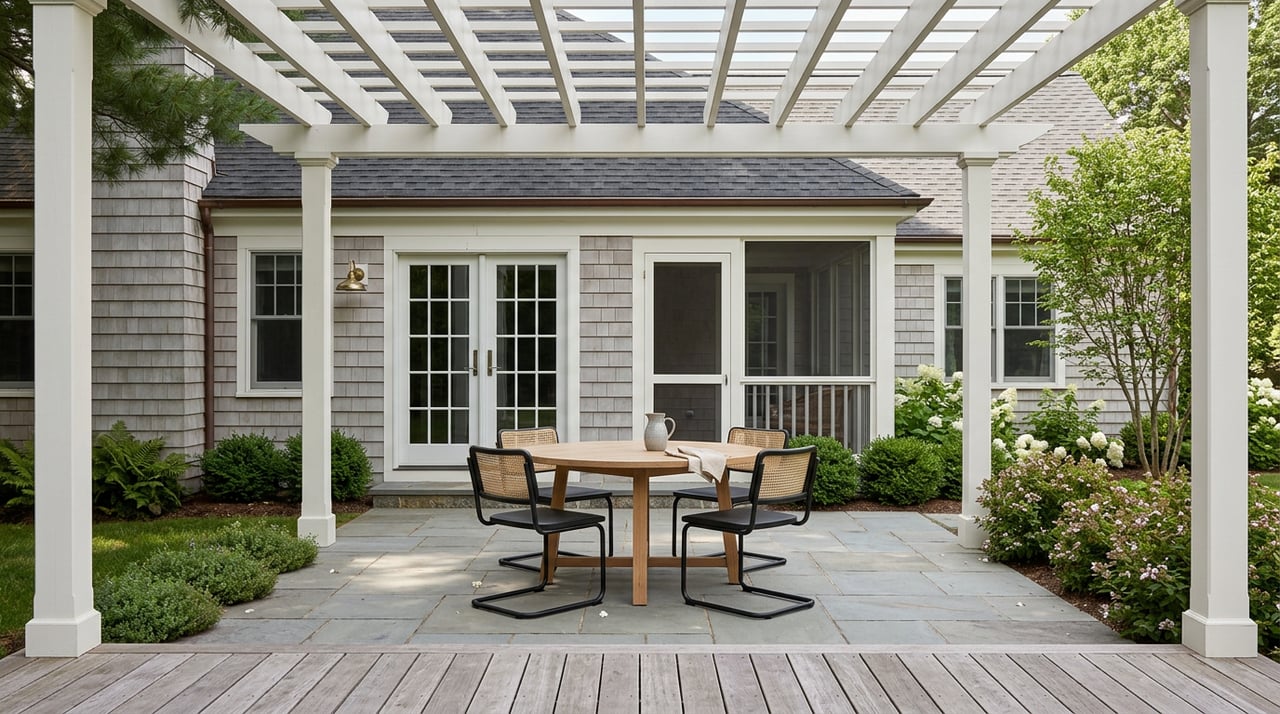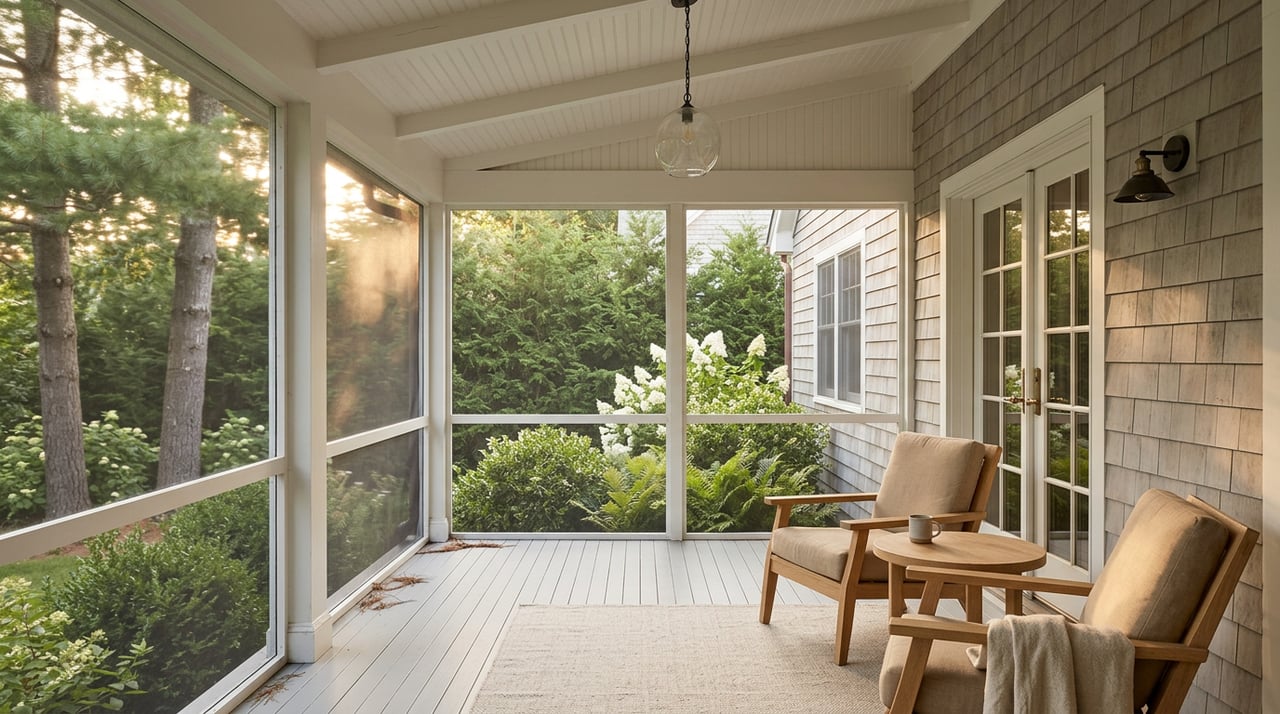
Are you picturing a quiet Maine getaway for your own weekends, or a lake-and-mountain property that also helps offset costs through guest bookings? Around Cumberland and the Sebago-adjacent communities, that choice matters more than many buyers expect. It affects how you use the home, what kind of upkeep it needs, and what rules may apply before you ever welcome a guest. If you are weighing a second home against a hybrid retreat-and-rental, this guide will help you think clearly about the tradeoffs. Let’s dive in.
Start With Your Real Goal
Before you compare houses, decide how you want the property to live day to day. A pure second home is usually the simpler path if you want privacy, predictable access, and less guest-facing work. It is primarily a lifestyle purchase, not an operating business.
A hybrid retreat-and-rental is different from the start. The home still needs to feel personal and comfortable for you, but it also needs to function well for paying guests. That means your buying criteria may shift toward parking, occupancy flow, written instructions, and systems that can handle more frequent turnover.
In the lakes and mountains areas near Cumberland, that early decision can shape everything from your search radius to your annual carrying plan. A home that feels ideal for private use may not be the best fit for part-time rental use. On the other hand, a rental-friendly layout may ask you to compromise on how private or low-maintenance the retreat feels.
Why Use Matters Financially
One of the biggest planning issues is how personal use and rental use are treated when they overlap. According to the IRS, if you use the dwelling as a residence for more than the greater of 14 days or 10% of the days it is rented, the property is treated as a residence and expenses must be divided between personal and rental use.
There is another threshold that catches some owners by surprise. If a property is rented for fewer than 15 days during the year while also used as a residence, rental income and rental expenses are not reported under the IRS guidance in the research report. That is a very different outcome from a home that is rented more regularly.
This is why it helps to think beyond a simple question like, “Could I rent it sometimes?” A few weeks of guest use can lead to a very different reporting framework than a home used mostly as a personal retreat. If your plans may change over time, it is smart to map that out before you buy.
Maine Rental Rules Matter Too
If you are assuming short-term rentals are automatically allowed, pause there. Maine law allows municipalities to establish and enforce regulations for short-term rental units. In practice, two properties near the same lake can face different rules depending on the town.
That makes local verification essential before you build projected rental income into your budget. A town may require a license, have operating rules, or have administrative steps that affect how easy the property is to use as a rental. A purchase only makes sense if the property matches both your goals and the local framework.
Casco offers a useful example of how active local oversight can look. The town states that property owners can apply for short-term rental licenses through its online licensing service. Even if you are not buying in Casco, it shows why buyers should confirm rules town by town instead of relying on assumptions.
What Maine Taxes Can Add
If the home will be offered for guest stays, taxes become part of your operating picture. Maine Revenue Services states that the tax rate on the rental of living quarters is 9%. That is an important number to include when you estimate revenue and expenses.
Maine Revenue Services also says that a person making only casual rentals of one unit does not need to register if the unit is rented fewer than 15 days in a calendar year. Once the rental reaches 15 days or more, registration is required. That threshold can shape how some owners choose to use a second home.
If you plan to use a property manager or booking platform, confirm who handles registration, collection, and remittance. The same Maine guidance treats room remarketers and transient rental platforms as retailers, so it is worth getting clear on responsibilities up front. Clear systems are part of making a hybrid property manageable.
Local Oversight Can Vary
Some properties in Maine are in a municipality, while others may fall within the Maine Land Use Planning Commission service area. That distinction matters because the operating framework is not the same. Buyers should confirm where the property sits before assuming which rules apply.
In the LUPC service area, short-term rentals are allowed where residential dwellings or campsites are allowed, but operators must file a notice. The current rule in the research report says operators that began before January 12, 2026 have until July 11, 2026 to file that notice. LUPC also defines a short-term rental as a tenancy of less than 30 consecutive days.
That kind of detail may not change whether you love a property, but it can absolutely change whether the home fits your intended use. A second-home decision becomes much stronger when you understand the local compliance path before closing.
What Changes When Guests Are Involved
A private retreat can often run on a lighter operating plan. A hybrid home needs more structure. Once a property is meant to host paying guests, written house rules and clear instructions become part of ownership.
The LUPC operator checklist gives a good picture of what this can involve. Operators are told to make renters aware of occupancy and parking rules, post special septic instructions when relevant, provide a property contact number for emergencies or complaints, and include E911 information and special driving instructions for remote locations.
That may sound simple, but it changes how you evaluate a home. A long private drive, limited parking area, or sensitive septic setup may be perfectly acceptable for your family and still require more active management in a guest-use model. The home needs to work operationally, not just aesthetically.
Waterfront Homes Need Extra Attention
If you are shopping lakefront or shoreland property, expect added layers of administration and maintenance. Naples provides a useful example through its planning and code resources, which include permit and inspection information related to septic systems, shoreland zoning, floodplain work, docks, and occupancy.
This does not mean waterfront ownership is a problem. It simply means the property may come with more moving parts than an inland second home. If rental use is part of your plan, those moving parts can become even more important because guest safety, access, and system reliability all matter.
For many buyers, this is where a beautiful property and a workable property start to separate. A home may offer the shoreline or views you want, but you still need to understand how the site operates and what oversight may apply.
Seasonal Access Is Part of Ownership
In lake communities, access is not always as simple as plugging an address into your phone. Some homes are on private roads, and winter conditions can affect how easily owners, guests, and service providers reach the property. Casco’s public works information on private roads and winter plowing shows the kind of seasonal coordination that can come with this type of ownership.
If you only plan to use the home privately, you may be comfortable managing that yourself. If you plan to host guests, fast and reliable access becomes more important. Snow removal, road maintenance, and emergency response planning all deserve attention before you commit.
This is especially true if the home is remote or intended for shoulder-season use. The more you expect a property to perform like a hospitality asset, the more operational detail matters.
When Professional Help Makes Sense
If rental use is even a possibility, bringing in a CPA or tax advisor before closing is a smart move. The IRS rules on personal and rental use can change how the property is reported, especially if you expect to move back and forth between private use and guest use over time.
A local property manager can also make a major difference when the home will be rented or when you are usually off-site. The LUPC operator checklist emphasizes the need for a reachable contact person and clear emergency instructions. That alone shows why many remote owners benefit from local support.
For a buyer near Cumberland exploring Sebago-area lakes and mountain communities, the best team usually starts with local real estate guidance and then adds specialists where needed. The goal is not to overcomplicate the purchase. It is to make sure the home fits your lifestyle and your operating plan from day one.
A Smart Pre-Offer Checklist
Before you move forward on a property, confirm a few core questions with the town office or code office:
- Is the property in a municipality or in the LUPC service area?
- Is a short-term rental license or notice required?
- Are there waterfront-related permits, inspections, or occupancy issues to review?
- If private roads are involved, how is winter access handled?
- If the home has septic or other site-sensitive systems, what guest-use instructions may be needed?
These are not small details. In many cases, they are exactly what separates a relaxing second home from a complicated one, or a manageable hybrid rental from a stressful one.
Choosing the Right Path for You
There is no one-size-fits-all answer here. If your top priority is privacy, flexibility, and a low-friction escape, a pure second home may be the better fit. If you are comfortable with more administration and want the property to serve both personal enjoyment and guest use, a hybrid retreat-and-rental may make sense.
The key is to make the choice intentionally. Around Cumberland and the nearby lakes and mountains markets, the most successful purchases usually start with a clear use plan, realistic operating expectations, and careful local due diligence. When you align the property with how you truly want to live, the decision becomes much easier.
If you are exploring a second home or a hybrid retreat-and-rental in Maine’s lake and mountain markets, Colin Harvey can help you evaluate the property itself, the local context, and the practical details that shape a confident purchase.
FAQs
What is the difference between a second home and a hybrid retreat-and-rental in Maine?
- A second home is mainly for your own use, while a hybrid retreat-and-rental is also intended for paying guests and usually requires more management, compliance, and guest-ready systems.
What IRS rule affects mixed personal and rental use of a Maine vacation home?
- According to the research report, if you use the dwelling as a residence for more than the greater of 14 days or 10% of the days it is rented, the property is treated as a residence and expenses must be split between personal and rental use.
What happens if you rent out a Maine second home for fewer than 15 days?
- Under the IRS guidance cited in the research report, if the property is rented fewer than 15 days while also used as a residence, rental income and rental expenses are not reported.
Do Maine towns around lakes and mountains have their own short-term rental rules?
- Yes. Maine law allows municipalities to establish and enforce regulations for short-term rental units, so buyers should verify local rules with the town before assuming rental use is allowed.
What tax applies to renting living quarters in Maine?
- Maine Revenue Services states that the tax rate on the rental of living quarters is 9%.
What should buyers check before buying a Maine lake or mountain home for rental use?
- Buyers should confirm whether the property is in a municipality or the LUPC service area, whether a license or notice is required, and whether waterfront permits, inspections, or seasonal access issues may affect use.