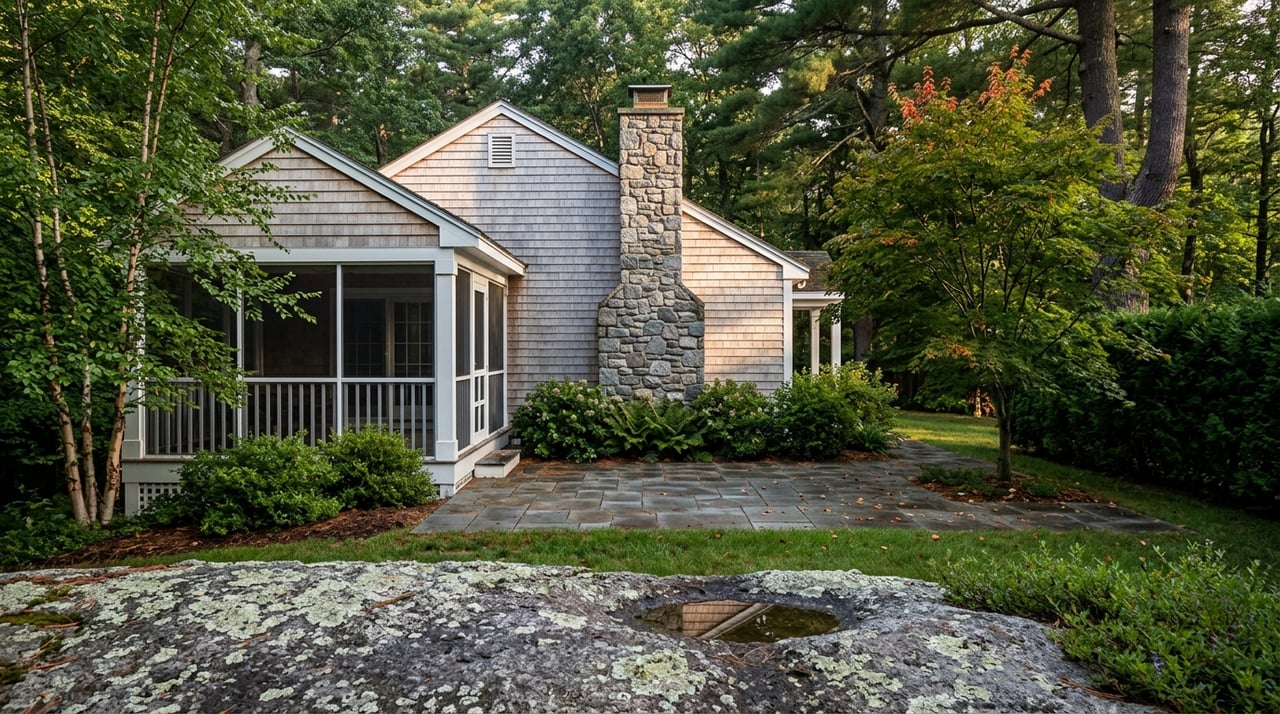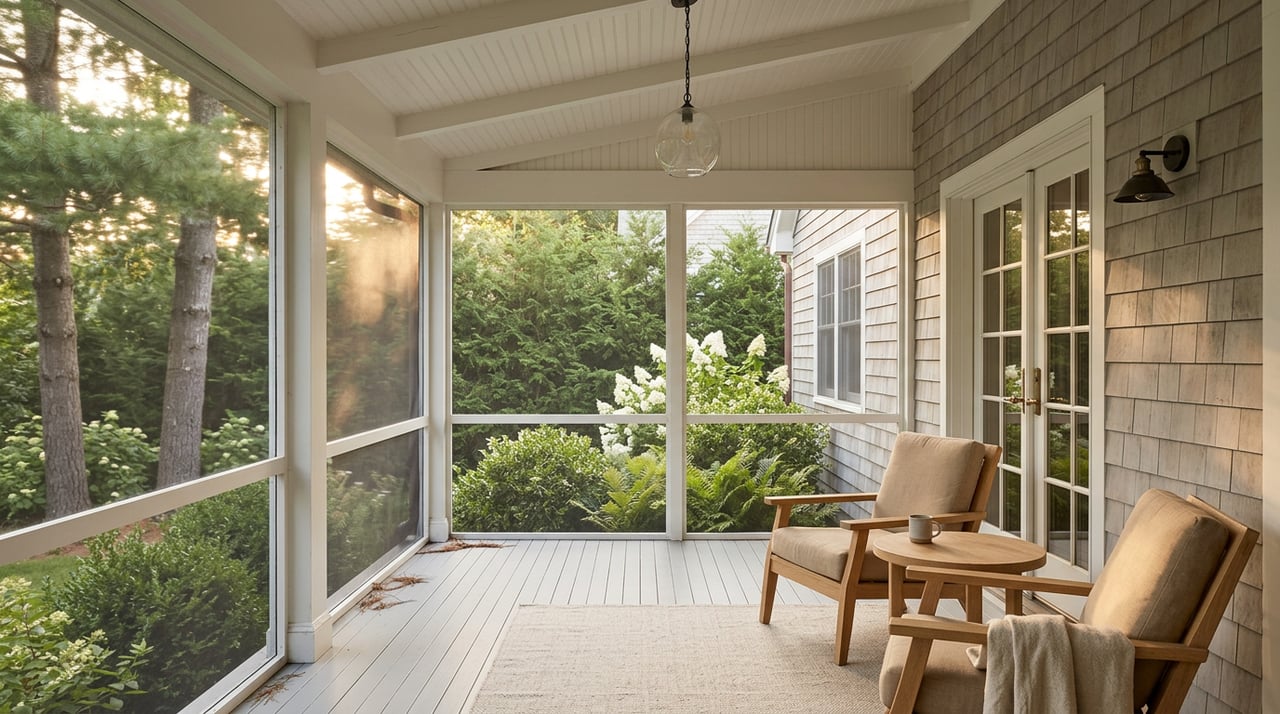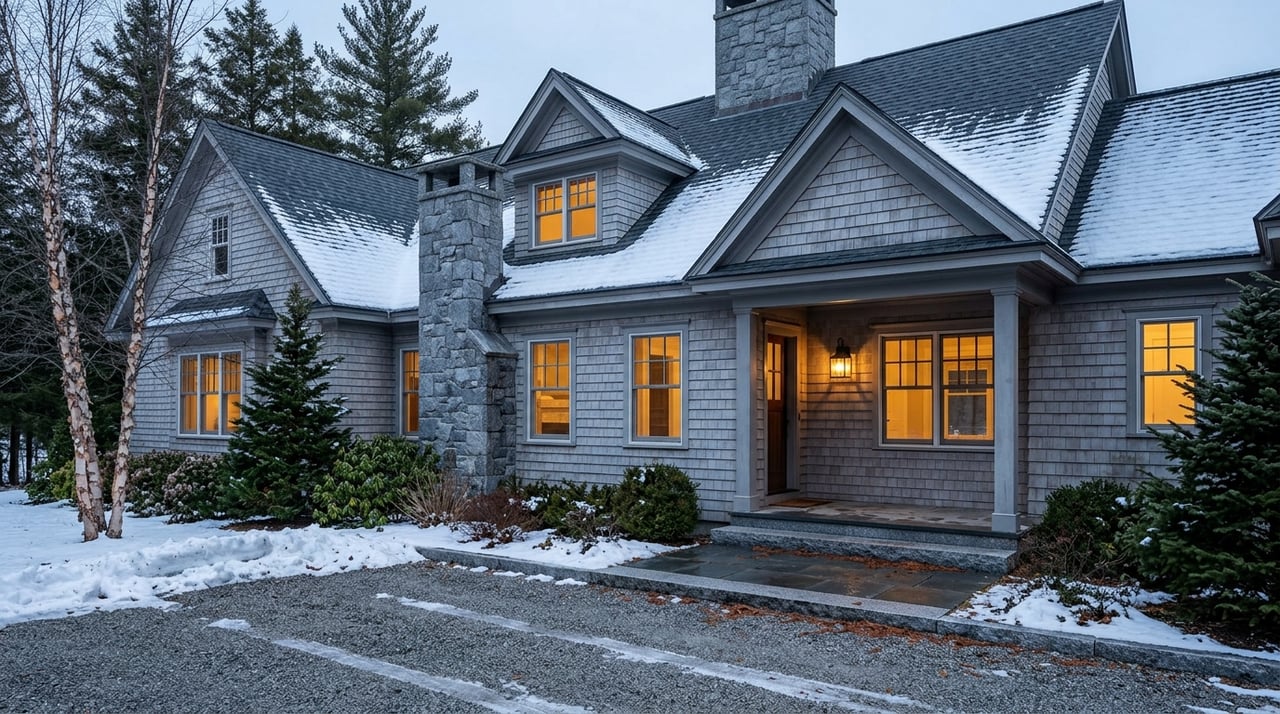
What makes a mountain home in Maine truly work for you? It is not just the view, the fireplace, or the idea of ski weekends. In the Western Mountains, ownership is shaped by access, terrain, utilities, and how you plan to enjoy the property across all four seasons. If you are considering a home near Carrabassett Valley, Rangeley, or Newry, this guide will help you understand what to look for and what questions matter most. Let’s dive in.
Why the Western Mountains Stand Out
Maine’s Western Mountains offer a different kind of lifestyle than a traditional town-centered market. Around 04947 and neighboring mountain communities, the landscape is defined by ski areas, scenic byways, public lands, lakes, and trail systems more than by dense village grids.
That setting is a big part of the appeal. The Rangeley Lakes National Scenic Byway, Grafton Notch Scenic Byway, and Bigelow Preserve help shape the region’s identity, along with destination mountains like Sugarloaf, Saddleback, and Sunday River.
For many buyers, that means you are not simply choosing a house. You are choosing how close you want to be to lifts, trails, water access, and year-round recreation, while also weighing practical ownership details that can look very different from a suburban purchase.
Mountain Home Options You’ll Find
The housing mix in this region is wide, even within a relatively focused mountain lifestyle market. You can find resort-oriented properties, more secluded cabins, and larger parcels that offer privacy and room to spread out.
Slopeside condos and townhomes
Near the major ski mountains, buyers will often encounter condos and townhomes designed around direct access to the slopes. Sugarloaf highlights ski-in and ski-out homes and slopeside condos, while Sunday River features condos and townhomes in areas like Locke Mountain, North Peak, Sunrise, and White Cap.
These properties often appeal to buyers who want convenience first. If your ideal weekend starts with walking out the door and heading straight to the lift, this category may deserve a close look.
Cabins and mountain homes
Near Saddleback and in the broader Rangeley area, the property mix often leans into cabins, camps, and mountain homes with a more private feel. Saddleback is marketing ski-access townhomes and Alpine Village cabins, while the Rangeley area continues to carry a strong cabin-and-camp identity.
For you, that can mean more land, more separation from neighbors, and a stronger sense of retreat. It can also mean more responsibility for systems and site conditions, which becomes especially important during due diligence.
Larger lots and land-forward properties
In parts of Carrabassett Valley and Rangeley, zoning and infrastructure patterns support larger lots. Carrabassett Valley notes that much of its land is zoned for one-acre or five-acre lots, and limited water and sewer infrastructure affects density outside the Sugarloaf Planned Unit Development.
If you are considering a multi-acre property or a future build, the land itself becomes part of the decision. Slope, utility access, road conditions, and development constraints can matter just as much as the home.
Ski Access Is Only One Part
The ski mountains are major anchors, and for good reason. Sugarloaf reports a 4,237-foot summit, 2,820 feet of vertical drop, 1,360 skiable acres, 176 trails and glades, average annual snowfall of 200 inches, and snowmaking on 95% of groomed trails.
Saddleback reports a 2,000-foot vertical drop, more than 600 skiable acres, 68 trails, and 225 inches of average annual snowfall. Sunday River reports 884 skiable acres, 139 trails and glades, 19 lifts, and a snowmaking system powered by more than 2,000 snowguns.
Those numbers speak to the strength of the winter experience, but they should also help you think more clearly about location. A home can be “near the mountain” in several different ways, from true slopeside access to a short drive, or even a more removed setting that trades immediate lift access for privacy, views, or acreage.
Four-Season Living Matters Here
A smart mountain-home purchase in western Maine usually starts with one question: how will you use it beyond ski season? The strongest ownership experience often comes when the home fits your full calendar, not just your winter plans.
Summer and shoulder-season recreation
This region stays active long after the snow melts. Sunday River offers more than 15 miles of hiking trails across 13 scenic trails, while Sugarloaf and Saddleback both operate summer mountain biking and scenic lift ride programs.
Bigelow Preserve adds another layer, with more than 36,000 acres of public land and Appalachian Trail access along its eastern ridge. Around Rangeley, hiking, snowmobiling, fishing, hunting, and trail use are all part of the area’s year-round rhythm.
Water access and lake life
If your version of a mountain home also includes time on the water, Rangeley adds a strong lake component. Rangeley Lake is about 6,000 acres and 149 feet deep, with public boat launches in town and at Rangeley Lake State Park.
The area is also known for trout and salmon fishing, according to Maine Inland Fisheries and Wildlife. That combination of mountains and water is one reason buyers often see this region as more than a pure ski market.
Recreation-focused town amenities
The daily lifestyle here is often recreation-first rather than urban-first. Rangeley maintains parks, public restrooms, boat launches, swim docks, picnic areas, playgrounds, and tennis courts, while Carrabassett Valley includes the Anti-Gravity Complex, Narrow Gauge Pathway, town park, library, and trail-related resources.
At the resort level, both Sunday River and Sugarloaf combine skiing with lodging, dining, retail, golf, and scenic lift rides. For you, that means convenience can come from the mountain ecosystem and outdoor network, not necessarily from a traditional downtown setup.
Ownership Questions To Ask Early
Mountain properties can be rewarding, but they often come with practical details that deserve close attention. In this part of Maine, a beautiful setting and a smooth ownership experience are not always the same thing.
Is access year-round?
This should be one of your first questions. In the Western Mountains, road access can vary by location, and proximity to a ski area does not automatically tell you how easy winter travel will be.
Carrabassett Valley’s comprehensive plan notes that most local roads are privately owned and managed, with the town maintaining only about a mile of road for year-round travel. That makes road maintenance responsibility, plowing, and winter reliability essential points to confirm before you buy.
Public water and sewer or private systems?
Infrastructure varies significantly across the region. Carrabassett Valley states that public water is provided by the Sugarloaf Water Association and wastewater by the Carrabassett Valley Sanitary District, but it also notes that lack of water and sewer infrastructure limits density outside key development areas.
Rangeley’s comprehensive plan says small businesses and homeowners use individual wells, and shoreland lot requirements differ depending on whether a property has private septic or public sewer. In practical terms, you want to know exactly what serves the property and what that means for maintenance and long-term use.
What are the well and septic responsibilities?
Private systems are common in mountain markets, and buyers should treat them as a central part of due diligence. Maine CDC states that private-well owners are responsible for making sure their water is safe, and Maine DEP’s homeowner guidance flags septic inspection and well-water safety as part of homeownership.
If a home relies on private systems, you will want clarity on well condition, water testing, septic age, and septic capacity. These are not side issues in this market. They are core ownership facts.
How steep is the lot?
Topography can directly affect cost, construction, drainage, and ease of use. Carrabassett Valley reports that nearly one-third of the town has slopes of 20% or steeper, and Rangeley says about 20% of the town has slopes above 20%.
A steep site can offer views and privacy, but it may also bring more complexity. If you are evaluating a home with expansion potential, or land for future development, slope should be part of the conversation from day one.
Matching the Home to Your Lifestyle
The best mountain home is usually the one that fits how you actually want to live. A slopeside condo, a secluded cabin, and a larger acreage parcel can each be the right answer for different buyers.
If convenience and low-friction weekends matter most, a resort-adjacent condo or townhome may be the right fit. If privacy, outdoor access, and a retreat feel are higher on your list, a cabin or home farther from the base area may serve you better.
If you are also thinking about land value, future building options, or site potential, larger parcels deserve a more technical review. In that case, understanding road access, slope, utilities, and local infrastructure becomes especially important.
A Thoughtful Approach Pays Off
Owning a mountain home in Maine’s Western Mountains can be deeply rewarding because the lifestyle is so distinctive. You get access to major ski terrain, lakes, trails, scenic drives, and public lands, all within a part of the state that still feels rugged and grounded in outdoor living.
The key is to buy with clear eyes. When you look beyond the romance of snow-covered trees and summer lake days, and focus on access, utilities, site conditions, and four-season use, you put yourself in a much better position to choose well.
If you are exploring a mountain home, second home, or land opportunity in western Maine and want a more tailored, high-touch buying experience, Colin Harvey can help you evaluate the property, the setting, and the ownership details with care.
FAQs
What types of mountain homes are common in Maine’s Western Mountains?
- Buyers will commonly find slopeside condos, ski-access townhomes, cabins, camp-style properties, and larger-lot mountain homes near Sugarloaf, Saddleback, Sunday River, and Rangeley.
What should you ask about road access for a mountain home in Carrabassett Valley?
- You should ask whether the road is public or private, who handles winter plowing and maintenance, and how reliable year-round access is, since Carrabassett Valley says most local roads are privately owned and managed.
What utilities are common for homes near Rangeley and 04947?
- Some properties may have access to public water or wastewater systems in certain areas, but private wells and septic systems are common in the region, so buyers should confirm exactly what serves the property.
What makes lot conditions important for a western Maine mountain property?
- Steeper terrain can affect building costs, drainage, usability, and expansion potential, and both Carrabassett Valley and Rangeley report a meaningful share of land with slopes above 20%.
What can you do near a mountain home outside ski season in western Maine?
- Depending on location, you may have access to hiking, mountain biking, scenic lift rides, boating, fishing, golf, snowmobiling, and public lands like Bigelow Preserve, making the region a strong four-season destination.