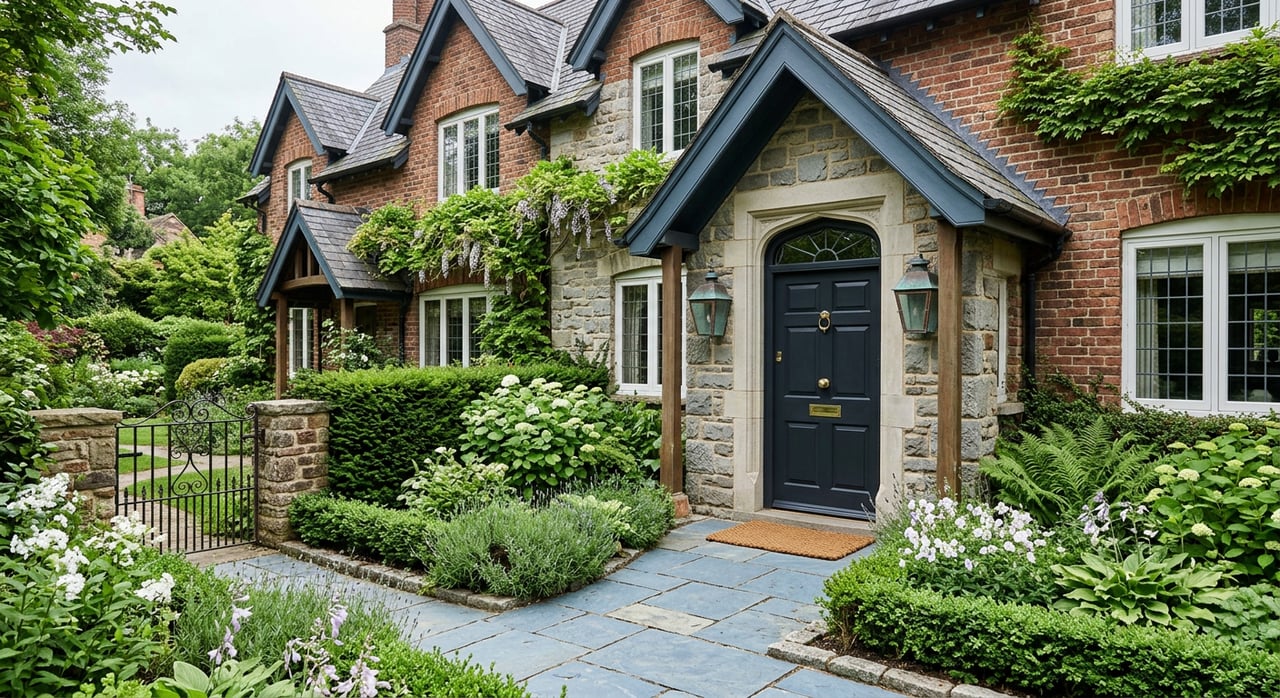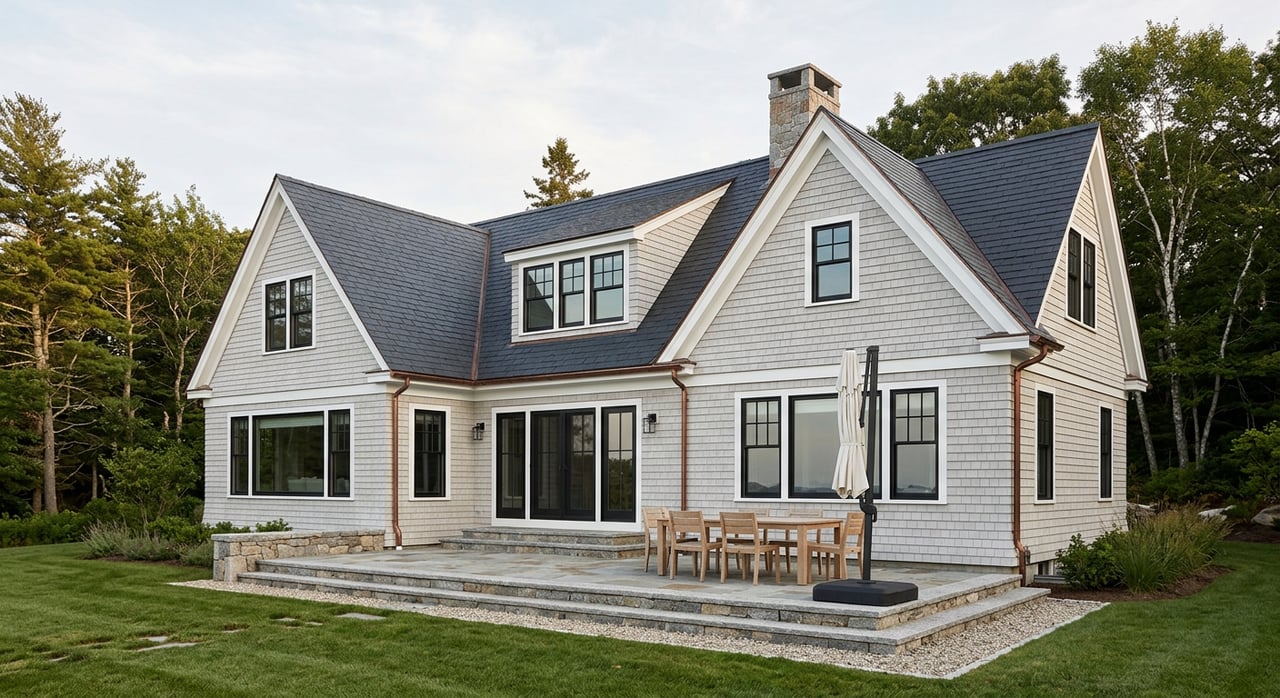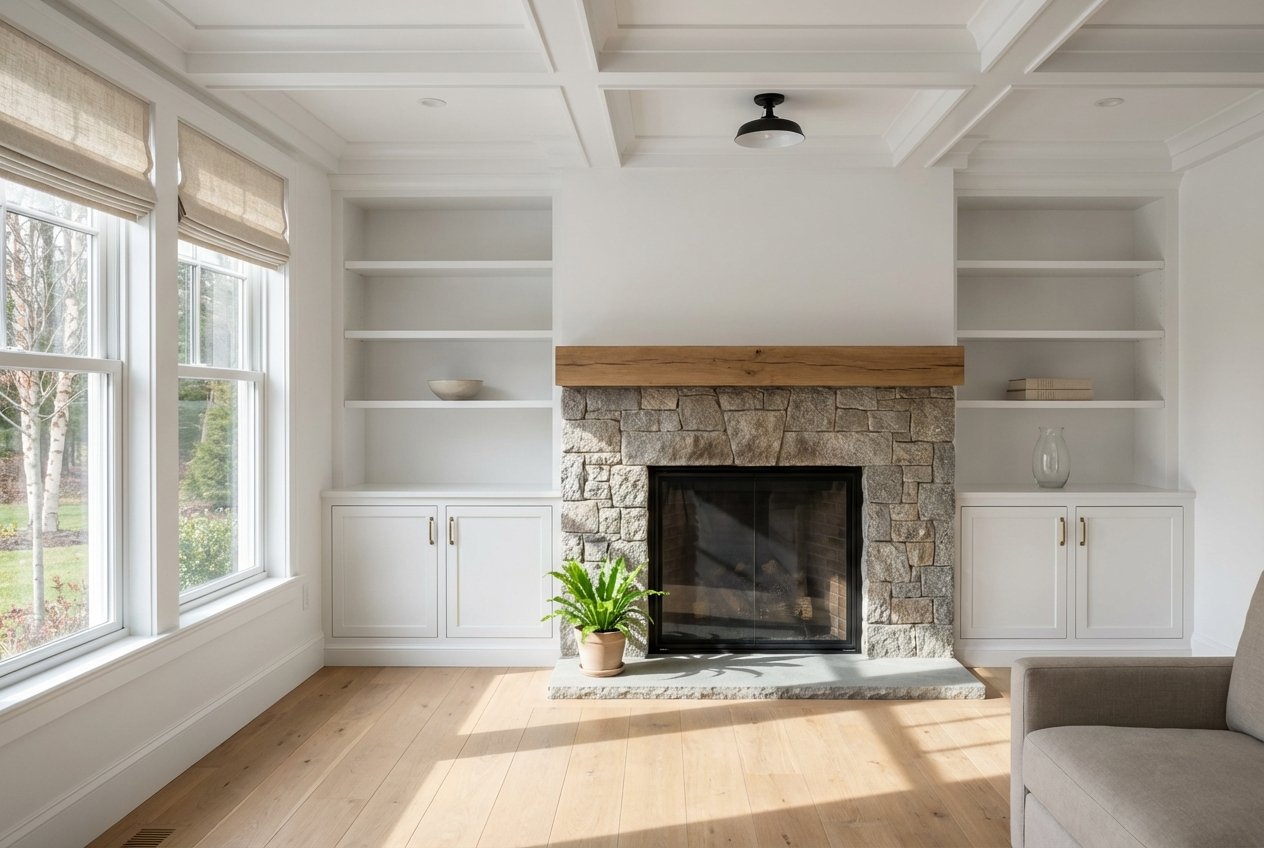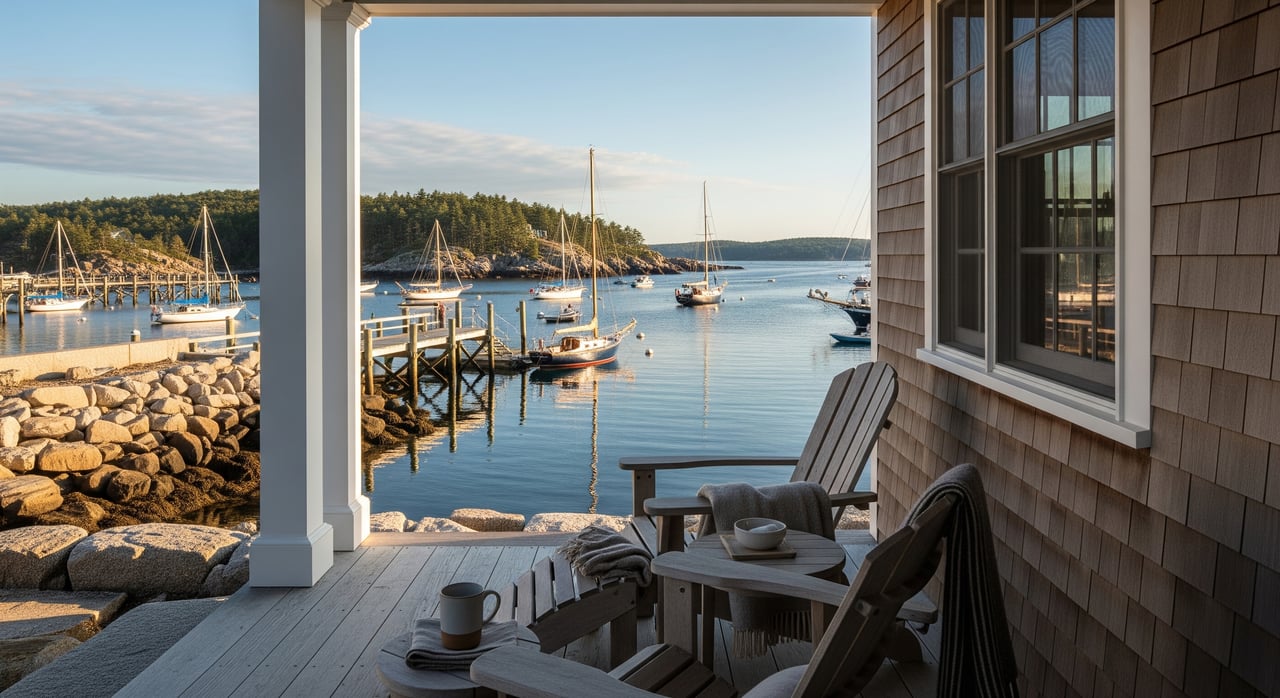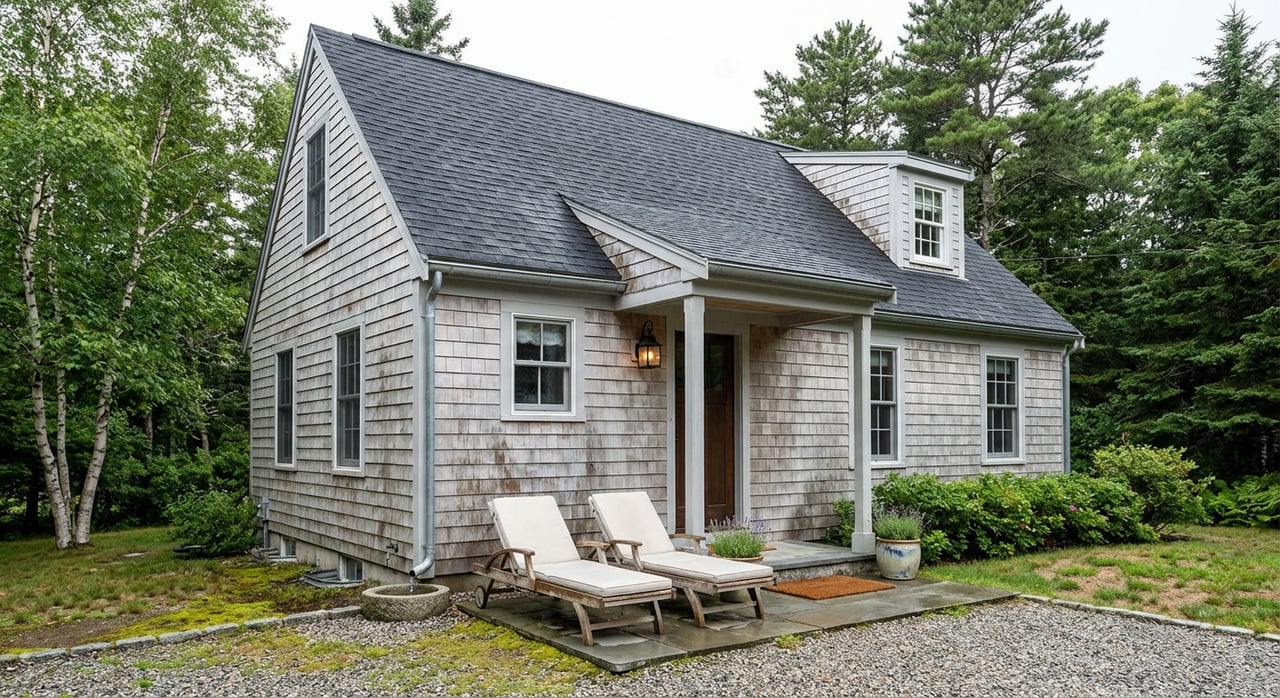
If you dream about morning coffee on a shingled porch, sea air in the pines, and a short stroll to the harbor, a classic Boothbay cottage might be exactly what you want. Choosing one is equal parts romance and practical know‑how. You balance character with smart upgrades, and you plan around shoreland rules that protect this coast. In this guide, you’ll learn what “classic cottage” really means here, the systems to prioritize, the rules that shape improvements, and how to approach short‑term rentals. Let’s dive in.
What “classic cottage” means here
Classic cottages in Boothbay and Boothbay Harbor are usually modest, charming homes built as seasonal or small year‑round places. Think cedar shingles or clapboard, screened or sleeping porches, and compact footprints that maximize outdoor living. Many have 1–3 bedrooms, an open living/dining/kitchen area, and a porch or deck that becomes your summer living room.
You’ll see original wood details alongside decades of small updates. That blend is part of the appeal. Compared to newer homes or condos, classic cottages often trade lower maintenance for more character, site privacy, and sometimes better water or village views. The most noticeable differences are energy systems and insulation, which affect comfort and monthly costs.
Key systems and upkeep to expect
Owning a cottage on the peninsula means getting familiar with a few essentials: septic and wells, heating and insulation, roofing and siding, and coastal wear and tear. A little planning goes a long way.
Septic, wells, and plumbing
Many cottages rely on a private well and septic system. It’s common to request a septic inspection during a purchase and to review recent pump and service records from the seller. You should ask for documentation and clarify expectations with the local plumbing officer through Code Enforcement if you plan changes that affect capacity.
Heating, insulation, and comfort
Older cottages were often seasonal or heated with oil or wood. A popular upgrade today is adding high‑efficiency heat pumps to provide both heating and cooling. You can review current incentives through Efficiency Maine’s heat pump rebates. Pairing heat pumps with targeted insulation and electrical updates can make a big difference if you want year‑round comfort.
Roofs, siding, and coastal care
Wood shingles and shakes are part of the regional look, but they need maintenance in a salt‑air climate. Lifespans vary widely by exposure, species, and upkeep. Budget for periodic cleaning, treatment, and replacement. For context on longevity and care, see this overview of cedar shingle life and maintenance factors.
Flood, wind, and insurance basics
Coastal properties carry layered risk: FEMA flood zones, local floodplain rules, and wind exposure that insurers price differently. Start by checking your parcel’s status on the FEMA Map Service Center. Flood insurance is separate from a homeowners policy and usually has a 30‑day waiting period, so plan ahead if you’re near the water.
Internet and utilities
Service varies by street. Some areas have town water and sewer; many do not. Broadband options can differ by provider and location. Confirm utility availability and speeds before you commit, especially if you work remotely, by contacting the towns directly or providers that serve your address.
Rules that shape what you can do
Boothbay and Boothbay Harbor protect shoreland character and environmental quality with a clear land‑use framework. Understanding it early helps you avoid surprises.
Shoreland zoning and setbacks
Boothbay Harbor’s land‑use code incorporates Maine’s Mandatory Shoreland Zoning standards and outlines districts, setbacks, site plan review, septic standards, tree cutting rules, and floodplain management. These provisions often affect additions, shoreline work, and converting a seasonal cottage to year‑round use. You can read the town’s land‑use code overview and use it as a starting point for questions.
Your first call: Code Enforcement
Every property is unique. The best first step is to confirm your address’s zoning, setbacks, and any nonconforming elements with Code Enforcement:
- Boothbay Harbor: Code Enforcement Office
- Town of Boothbay: Code Enforcement / Zoning Office
Bring your goals, from a new deck to a dock repair, and ask how shoreland standards, septic capacity, and floodplain rules apply to your plan.
Renting your cottage: what to know
Short‑term rentals are part of the Boothbay lifestyle, especially in summer. A little structure on the front end helps everything go smoothly.
State tax and registration
Maine treats vacation rentals as taxable lodging. Expect to account for the state lodging tax on short stays and to register through Maine Revenue Services. You can review the framework and registration basics in this guide to Maine’s vacation and casual rental tax. Large platforms may collect and remit on your behalf, but you are still responsible for compliance.
Local permits and operations
Boothbay Harbor’s permitting framework runs through Code Enforcement. Some Maine towns require specific STR registrations or inspections. Always confirm address‑level requirements, occupancy limits tied to septic, and parking rules with the town. Many owners use local property managers to handle permitting, taxes, guest communications, and turnovers. For a practical overview of common STR practices in Boothbay Harbor, see this local operations summary.
Seasonality and guest expectations
Expect most bookings from late spring through early fall, with premium demand for water access, harbor views, walkability, and great outdoor spaces. Local attractions such as the Coastal Maine Botanical Gardens, which draws significant attendance during events like Gardens Aglow, help extend the shoulder seasons and support rental demand. You can read about that impact in this Boothbay Register report.
Market feel and timing
The Boothbay peninsula is an established Midcoast destination with tight, seasonal inventory. Prices vary widely by neighborhood, lot characteristics, and waterfront status. If you are actively searching, ask for real‑time market data and property‑specific comps so you can move decisively when the right cottage appears.
Buyer checklist for Boothbay cottages
Use this quick list to focus your due diligence and budget.
- Septic system: Ask for recent pump and inspection records. Confirm capacity fits your planned occupancy. If you plan to add bedrooms, verify what the system can support.
- Building envelope and roof: Look for signs of rot, flashing issues, and shingle condition. Coastal exposure shortens wood shingle life. Review maintenance needs with your inspector. For context, see this cedar shingle lifespan guide.
- Heating and winterization: Identify the primary heat source, age of equipment, and insulation levels. Consider a heat pump plan and check Efficiency Maine rebates.
- Flood risk and elevation: Pull a FIRMette and confirm local floodplain status via the FEMA Map Service Center. Ask for any history of surge or storm damage.
- Permits and conformance: Verify that additions and outbuildings were permitted, and ask Code Enforcement for any property history. Start with the Boothbay Harbor Code office or the Town of Boothbay office. For broader context, see the land‑use code.
From seasonal to year‑round
If your dream is four seasons in Boothbay, prioritize comfort systems first. Owners often stage upgrades over one to three years:
- Add high‑efficiency heat pumps and address key electrical needs. Check Efficiency Maine incentives.
- Improve insulation and air sealing to stabilize indoor temps.
- Tackle septic repairs or expansions if you plan more bedrooms or higher occupancy.
- If you sit in a high‑risk flood zone, explore elevation or flood‑proofing and review coverage options early through your insurer.
Your next step
A classic cottage here is as much about site and lifestyle as the house itself. With the right guidance, you can honor the character you love and plan smart upgrades that fit shoreland rules and your goals. If you want a clear plan for search, due diligence, and value, connect with Colin Harvey for tailored, concierge‑level buyer representation.
FAQs
What defines a classic Boothbay cottage?
- Typically a modest, shingled or clapboard home with 1–3 bedrooms, an open living area, and a porch or deck, often built as a seasonal place and updated over time.
How do I check flood risk for a Boothbay property?
- Look up the address on the FEMA Map Service Center to confirm flood zone status, then discuss coverage and wind‑storm deductibles with your insurer.
Can I expand a cottage near the water?
- Possibly, but shoreland setbacks, septic capacity, and floodplain rules apply; start with the town’s land‑use code and confirm details with Code Enforcement.
Do I need to collect tax on short‑term rentals in Maine?
- Yes, short‑term rentals are treated as taxable lodging; review the state’s guidance on vacation and casual rental tax and register as required.
What upgrades make a seasonal cottage comfortable year‑round?
- Add high‑efficiency heat pumps, improve insulation and air sealing, update electrical as needed, and address septic capacity if you plan more bedrooms or higher occupancy.
Who should I contact about permits in Boothbay or Boothbay Harbor?
- Reach out to the appropriate Code Enforcement office: Boothbay Harbor or Town of Boothbay for zoning, shoreland, and building questions.