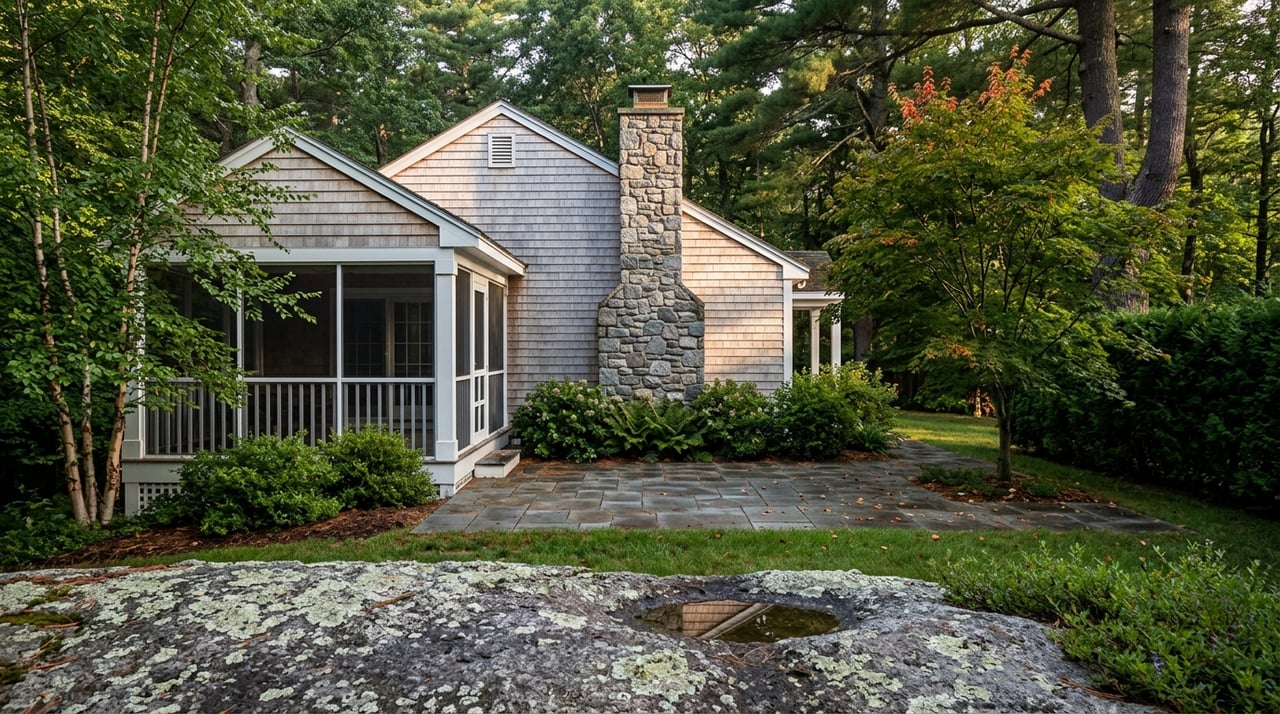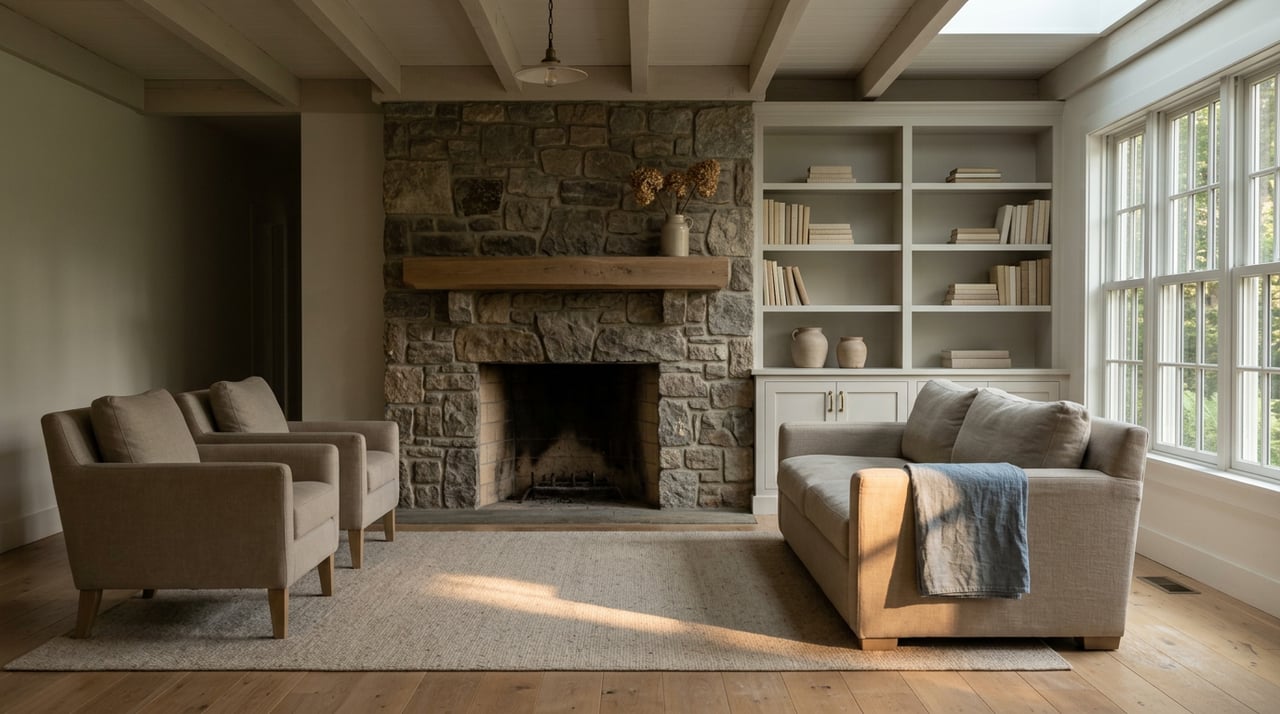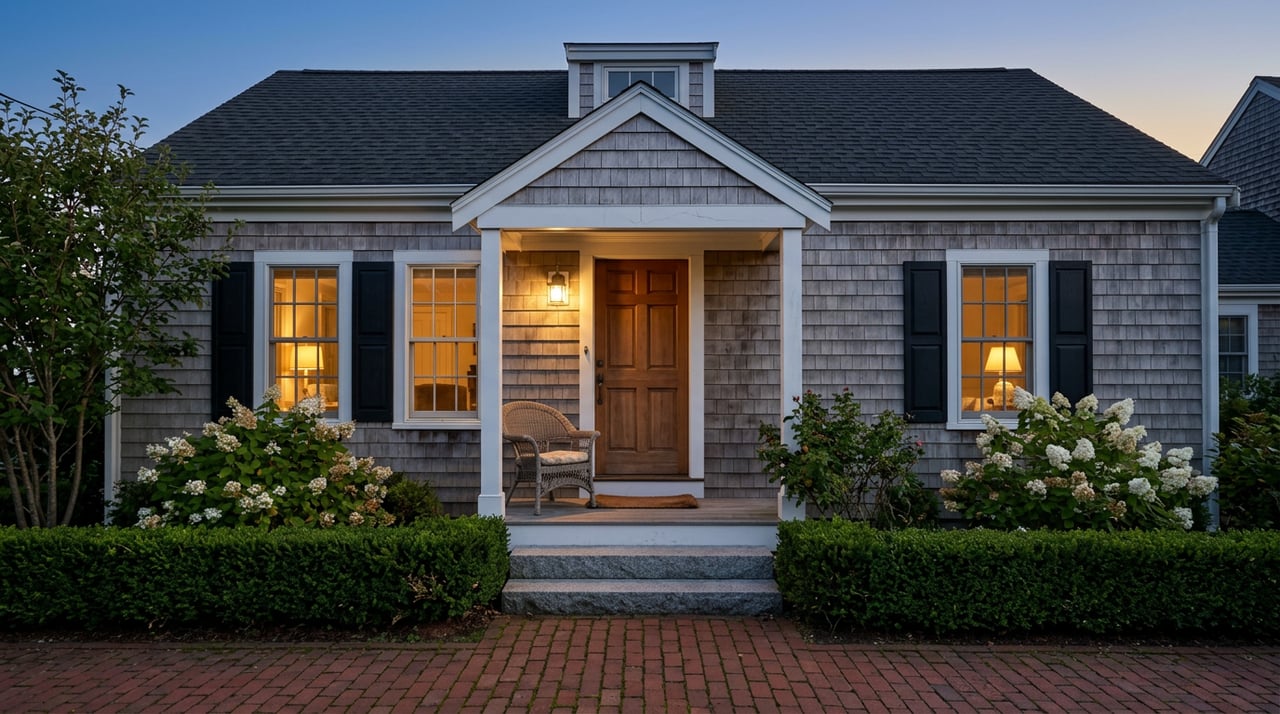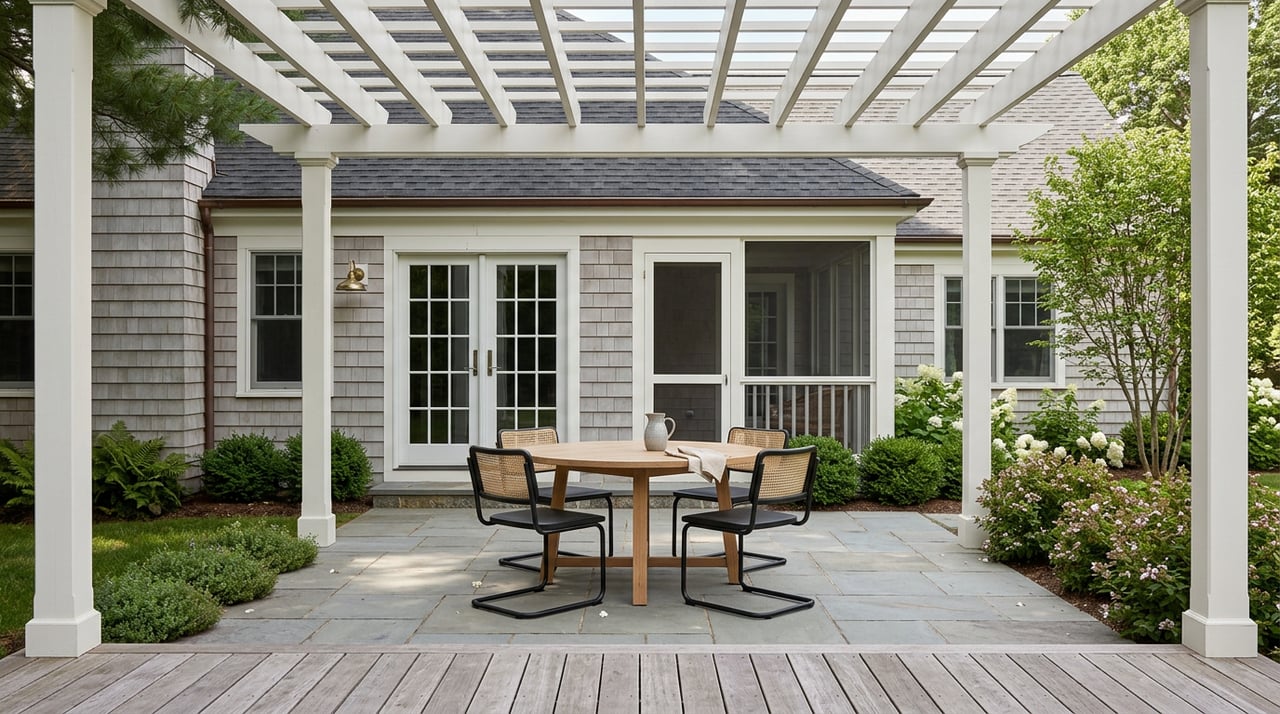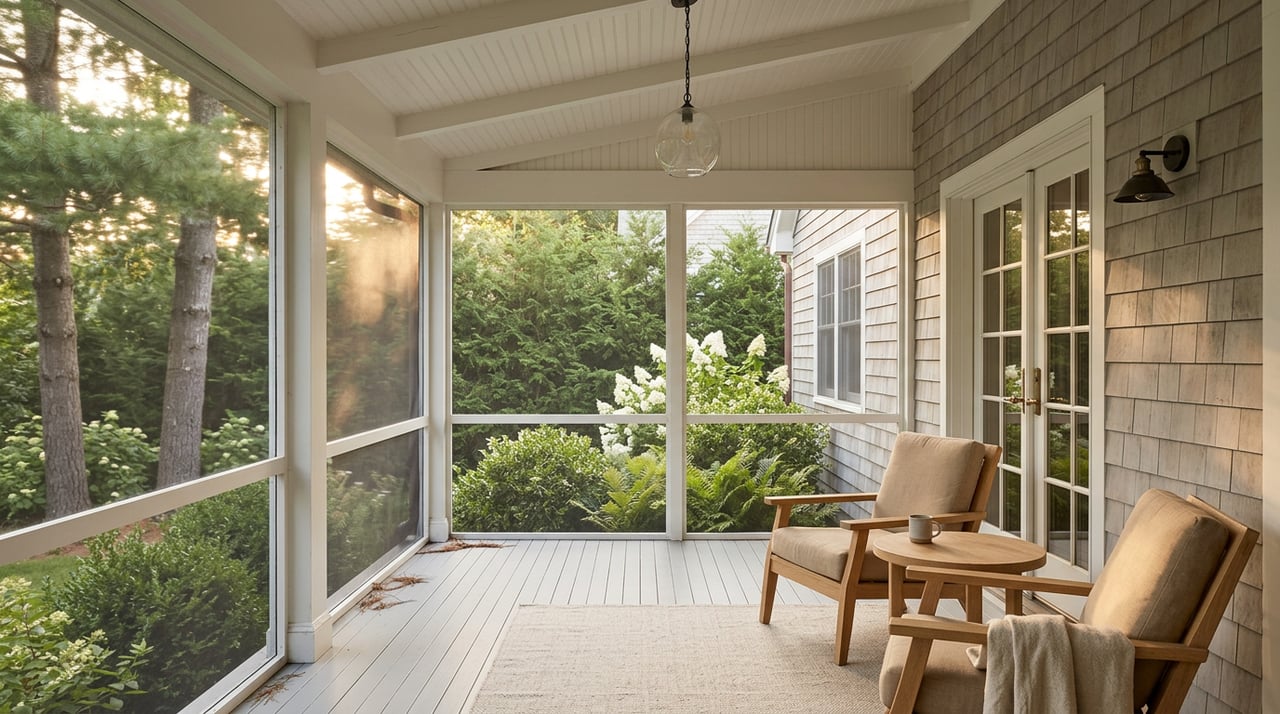
A beautiful Falmouth home can check every luxury box on paper and still miss the mark in daily life. If you are buying here, it is easy to focus on water views, finishes, and square footage while overlooking how the property actually works through Maine’s seasons and an active coastal lifestyle. The good news is that a few smart questions can help you spot the details that matter most before you commit. Let’s dive in.
Why Falmouth Homes Need a Closer Look
Falmouth is not one single kind of market. The town stretches from shoreline areas to more rural inland settings, with waterfront, trail-adjacent, and commuter-oriented homes all in the same local landscape.
That variety is part of the appeal, but it also means your ideal home needs to match how you live. In a place known for harbor access, parks, hiking trails, golf, and a strong boating culture, the right property is about more than polished interiors. It should support the way you move through the day, the season, and the property itself.
Check Light and Orientation First
Luxury buyers often notice the view first and the sun second. In Falmouth, that order can be a mistake because the way light enters the home affects comfort, mood, and how rooms feel from November through March.
The U.S. Department of Energy notes that a due-south orientation is ideal for solar gain, and that even 30 degrees east or west of south can still capture about 90% of the maximum solar potential. It also notes that winter sun sits low in the sky, and east-facing glazing is often preferable to west-facing glazing when afternoon heat gain is a concern.
That matters in southern Maine, where the colder season is wetter and winter snowfall is a regular part of life. A room that feels bright and airy during a summer showing can feel dim, chilly, or full of glare in another season.
Questions to Ask About Natural Light
- Which rooms get the best morning light?
- Which rooms become brightest or warmest in the afternoon?
- Do trees, rooflines, or neighboring structures block useful winter sun?
- Are the main living spaces oriented around the light you will use most often?
- Is there a trade-off between the view side and the most functional side of the house?
Think Beyond the Main View
In luxury homes, the water-facing side often gets the design attention. That makes sense, but it can also leave the more practical side of the house feeling secondary.
You want to understand whether the rooms you will use every day are placed where they perform best. A dramatic great room may capture the view, but if the kitchen, office, breakfast area, or family entry get poor daylight or uncomfortable afternoon heat, the home may not live as well as it photographs.
This is especially important in Falmouth, where homes may serve as primary residences, second homes, or seasonal retreats. The right layout should work for your real routine, not just for entertaining on a sunny afternoon.
Study the Entry Sequence and Mudroom
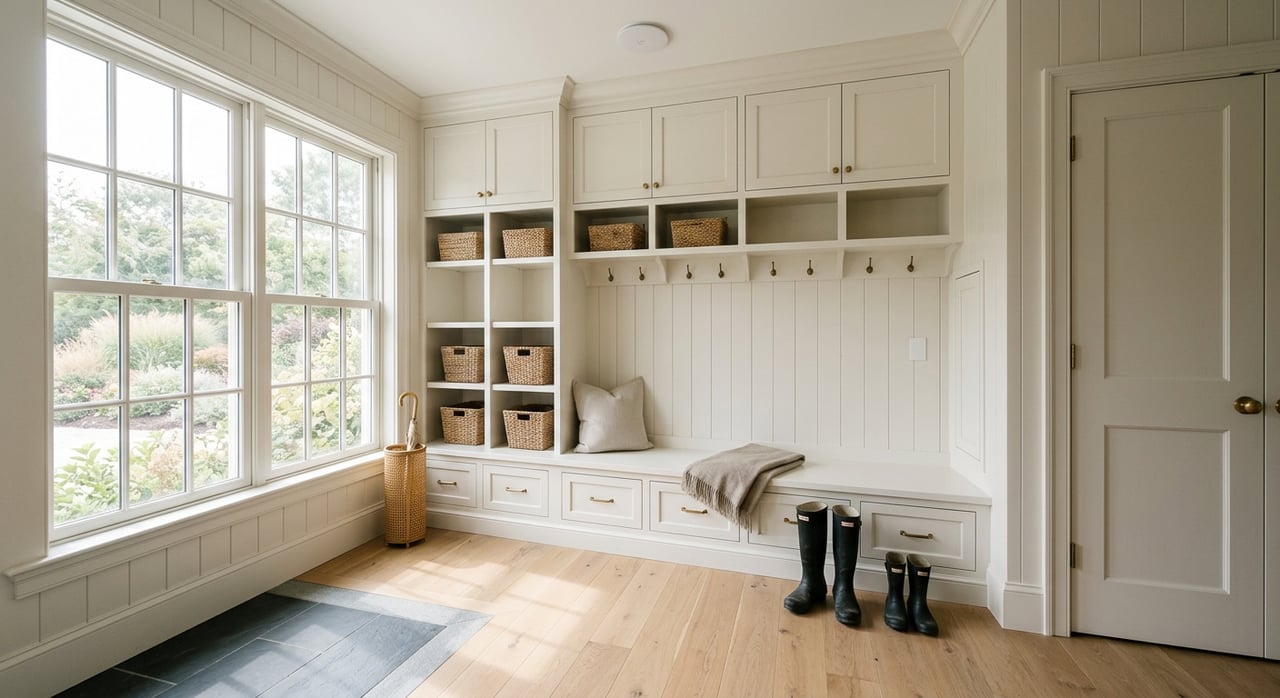
One of the most overlooked luxury features is not glamorous at all. It is the path from outside to inside, and whether the house handles gear, guests, and weather gracefully.
Falmouth’s lifestyle makes this more important than many buyers expect. With access to boating, trails, golf, and open space, you may be bringing in wet coats, boots, bags, clubs, skis, or extra layers more often than you think.
A home can have an impressive kitchen and still frustrate you daily if there is no true drop zone. In many cases, the mudroom, garage entry, and storage plan say more about long-term livability than a statement island or designer fixture package.
What to Look for Near the Entry
- A clear drop zone near the main entrance, garage, or mudroom
- Easy paths for bulky items without tight corners or narrow doors
- Durable, useful space for coats, boots, and seasonal gear
- Storage placed near where you will actually use it
- A practical transition from outdoor activity to interior living spaces
Evaluate Floor Plan Flow, Not Just Size
In high-end homes, more space does not always mean better function. What matters is whether the home feels easy to move through for everyday living, entertaining, overnight guests, and long-term comfort.
The National Association of Home Builders identifies several features associated with easier usability, including no-step entries, one-story living, wide doorways, wide hallways, extra floor space, and good lighting. You do not need every feature on that list, but it is a useful way to evaluate whether a home supports flexibility over time.
This matters whether you plan to live in the home year-round or use it seasonally. Smooth circulation can make a home feel more elegant, more comfortable for guests, and easier to enjoy without constant workarounds.
Walk the Home Like an Owner
As you tour, pay attention to how the house functions in motion.
- Can you move easily from kitchen to outdoor living areas?
- Is there enough room for guests to gather without blocking key pathways?
- Do hallways, doorways, and stairs feel comfortable and intuitive?
- Is there a bedroom and full bath arrangement that supports flexibility?
- Would the home still feel easy to use during longer stays or different life stages?
Storage Is a Luxury Feature
Storage often gets treated as a secondary issue, but in Falmouth it should be part of your core evaluation. A luxury property that lacks smart storage can quickly feel crowded, especially if you are keeping gear on-site between visits.
Closets matter, but so does placement. You want to know whether the pantry is near the kitchen, whether the laundry area supports real household flow, and whether utility storage is tucked where it makes sense instead of hidden in awkward dead space.
For seasonal or second-home buyers, this becomes even more important. If luggage, outdoor gear, and household supplies stay in the home between visits, you need storage that protects the calm, uncluttered feel you are paying for.
Storage Questions Worth Asking
- Is there enough storage for gear that stays on-site?
- Are closets sized for how you actually live, not just staged for showings?
- Is the pantry convenient to the kitchen?
- Does the laundry room support the home’s entry pattern?
- Are utility and overflow items easy to store without using premium living space?
Verify Internet at the Exact Address
Luxury buyers sometimes assume connectivity will be fine because the town is close to Portland or because the home sits in a desirable area. In reality, internet service should be checked property by property.
The FCC’s National Broadband Map is address-specific. It shows what providers report as available at a given location, including technology type and reported speeds, and it allows consumers to challenge inaccurate information. Maine’s Office of Public Advocate also directs residents to the FCC map to learn what internet services are available in their area.
This matters for primary homes, second homes, and remote-work properties. It also matters for detached offices, guest suites, garages, and other spaces where service may not perform the way you expect.
Connectivity Checks to Make Before You Buy
- Verify the exact address on the FCC broadband map
- Confirm which fixed providers serve the property
- Review reported upload and download speeds
- Ask whether the home is wired for work in the rooms that matter most
- Test for dead zones in detached or lower-use spaces
Match the Home to Your Falmouth Lifestyle
The biggest mistake luxury buyers make is assuming that a beautiful home will naturally fit their lifestyle. In Falmouth, where homes can function as elegant retreats, active family bases, or remote-work residences, fit matters just as much as finish.
You want to think about how the property handles mornings, winters, arrivals, storage, entertaining, and connectivity. These are the details that shape daily ease, and they are often the difference between a home that simply looks impressive and one that truly lives well.
A thoughtful purchase in this market means looking past the obvious and asking better questions early. That is where experience and local insight can make the process more efficient and more rewarding.
If you are considering a luxury home in Falmouth and want a more tailored, property-specific perspective, Colin Harvey offers concierge buyer guidance designed around how Maine homes actually live.
FAQs
What should luxury buyers in Falmouth check besides finishes and views?
- Focus on orientation, seasonal light, floor plan flow, entry function, storage, and address-specific internet availability.
Why does sunlight orientation matter in a Falmouth home?
- Orientation affects winter light, afternoon glare, seasonal warmth, and how comfortable your main living spaces feel throughout the year.
What makes storage especially important in Falmouth luxury homes?
- Falmouth’s boating, trail, golf, and outdoor lifestyle can create more daily gear and seasonal overflow, so storage needs to be practical as well as generous.
How can buyers confirm internet service at a Falmouth property?
- Check the exact address on the FCC National Broadband Map to review reported providers, technologies, and available speeds.
What floor plan details should buyers notice in a Falmouth luxury home?
- Pay attention to easy movement, entry access, guest flow, width of key passages, usable bedroom and bath placement, and whether the home supports long-term comfort.