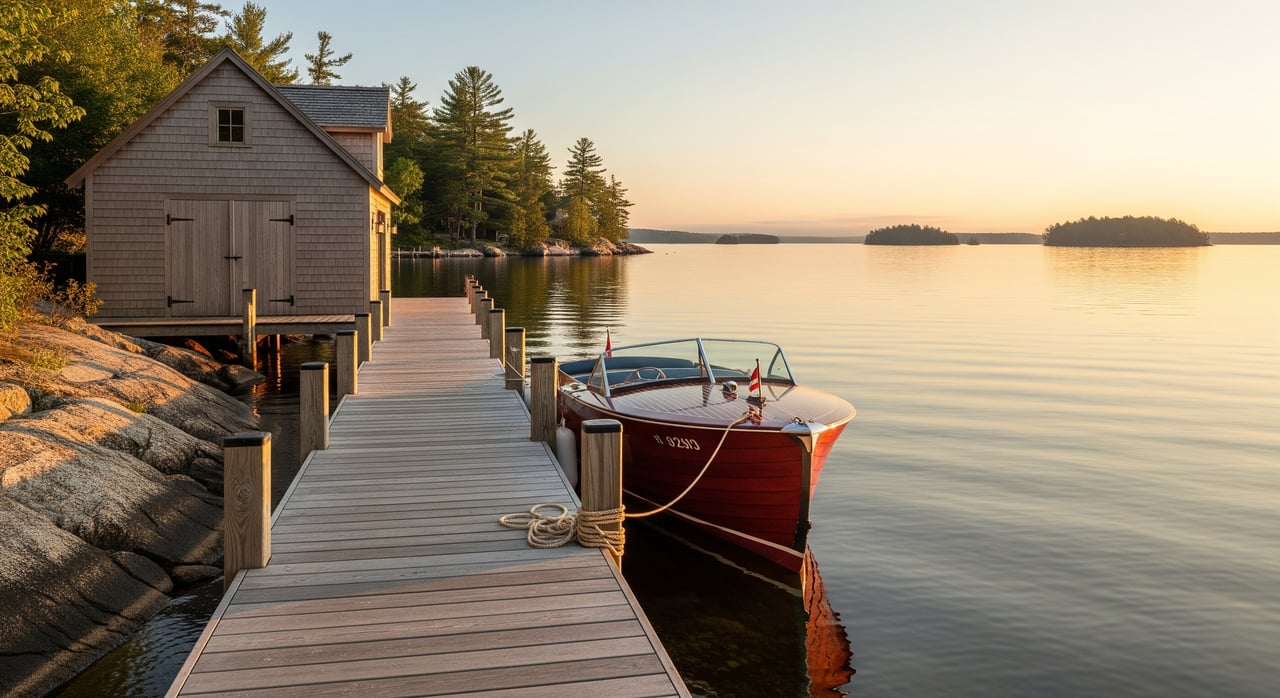
Thinking about a Sebago Lake home where you can launch the boat in May and relax on the dock well into fall? Water levels, intake protection zones, and local boating rules can shape what you can actually do from your shoreline. If you are buying or selling, these details affect daily enjoyment, due diligence, and pricing. Below, you will learn how Sebago’s water management works, what to expect seasonally, how intake restrictions operate, and how to translate all of that into smart strategy. Let’s dive in.
Why water management matters on Sebago
Sebago Lake is a primary public drinking water source for Portland and surrounding communities. That means operations and protections for the lake are set up to prioritize water quality and reliable supply. Those decisions can influence seasonal water levels, restricted zones, and how you use a dock or mooring.
Several authorities play a role. The Portland Water District manages source-water protection and intake facilities. The Maine Department of Environmental Protection oversees permitting for docks, shoreline work, and wetlands. The Maine Department of Inland Fisheries & Wildlife handles boating regulations and safety. Municipal offices around the lake may set local no-wake zones, mooring rules, and enforcement practices. In some cases, the U.S. Army Corps of Engineers requires federal permits for in‑water structures.
For you, this variety of stakeholders means two things. First, water levels and intake protection rules are not just advisory. They drive real, seasonal changes in dock access and boating. Second, every shoreline is a little different, so verifying which rules apply to your parcel is essential before you buy or list.
Seasonal water levels on Sebago
Sebago’s levels follow a seasonal pattern shaped by snowmelt, rainfall, and operational needs for drinking water and downstream flows. Expect higher water in spring, variable conditions in summer, and changes in fall and winter based on operational decisions and ice management.
Spring rise and early-season ramps
As snowmelt and runoff arrive, spring levels can climb. If your dock is set for typical summer conditions, ramps can become steep, and floating sections may sit higher than expected. Launching larger boats can be easier at some public or private ramps but may be complicated in shallow coves where rapid changes expose or cover shoals.
Owners often discover a short window when access is awkward. It can be only a few weeks, but plan for a period when a dock is in place yet not conveniently usable because ramp angles and waterline positions are shifting.
Summer variability
Summer levels reflect a mix of rainfall and water-supply priorities. Most waterfront owners expect prime-season usability, and many get it. Still, a stretch of dry weather or operational adjustments can lower local depths near shore. If your shoreline is gently sloped, a few inches down can mean extra steps to reach the float or a need to adjust mooring lines.
If you are evaluating a property, consider how a boat of your preferred draft and beam will load and unload in mid to late summer. Ask for historical usage notes and photos from different years so you understand typical access.
Fall and winter drawdown
Fall often brings managed changes that prepare for ice and winter conditions. Fixed docks and short pilings are at risk when ice forms and moves. Many owners remove or winterize floating sections. If you plan shoulder-season boating, expect a window when lower levels or ice formation make access difficult.
These patterns are normal for Maine lakes, but because Sebago supplies drinking water, the timing and extent of changes are set with water quality and downstream needs in mind. That means the most authoritative information comes directly from the Portland Water District and your municipality.
Boating rules and intake protection zones
Intake protection zones are defined areas around public-water intakes designed to reduce contamination risk. They are a fact of life on a supply lake like Sebago and can shape boating, swimming, and fuel handling near certain shorelines.
What intake zones mean for you
If your property sits near an intake zone, you may see limits on activities like fueling, anchoring, and swimming within a specified distance. Even where private docks are allowed, use can be conditional. You may face restrictions on refueling, liveaboard vessels, maintenance activities, or guest moorings.
These limits protect the drinking water supply and are enforced by a combination of the water district, municipal harbor masters, and state wardens. For buyers, proximity to an intake zone affects how you use a dock day-to-day. For sellers, it is a material fact to disclose early.
Typical restrictions near intakes
- No fueling or refueling within the protected area
- Limits on anchoring, mooring, or swimming in the zone
- No-wake or speed limits to minimize turbidity and spills
- Prohibitions on sewage discharge with strict pump-out requirements
- Restrictions on in-water maintenance, sanding, or painting near the intake
Do not assume these are identical across the lake. Zones and rules can vary by location, so request maps and written policies from the Portland Water District and your town.
Enforcement and mapping
Enforcement is shared among the Portland Water District, municipal harbor masters, Maine wardens, and DEP officers. Some areas are signed onshore or shown on public maps, but not all boundaries are marked in the water. Get authoritative maps and ask your harbor master about on-the-water enforcement history near your shoreline.
Docks, moorings, and value
A dock that works reliably through the season is a premium amenity. When access is limited by water levels, ice risk, or intake rules, buyers adjust value to reflect reduced utility.
How usability drives price
If a dock is effectively unusable for chunks of spring or late fall, buyers view the property differently than a comparable lot with dependable access. The same is true if the preferred placement is constrained by an intake protection zone or if guest moorings are not permitted. Sellers often see better outcomes when they quantify usability windows, share documentation, and plan showings during high-function months.
Costs and liabilities buyers watch
Marine contractors can assess pile length, floatation, ramp angles, and winterization needs. Replacement or upgrades carry cost and permitting requirements. Insurance carriers may expect certain design standards and seasonal removal practices, and premiums can be influenced by ice exposure and storm risk. If a property likely needs dock work or shoreline stabilization, buyers and appraisers factor that into price.
Timing, photos, and disclosure for sellers
High-water photography is useful, but transparency is key. Sellers do well to disclose seasonal variability, any restrictions from intake zones, and maintenance history up front. Consider providing contractor estimates for upgrades or repairs and copies of current permits. If you list in the shoulder season, include notes about typical usability months.
Pricing strategy for buyers and sellers
You can treat dock functionality like any other high-value amenity. The question is whether the dock delivers the season-long access that premium buyers expect, or whether practical or regulatory limits reduce its utility.
For buyers: adjust offers and plan upgrades
- Ask for historical level information and seasonal photos to understand when the dock was usable.
- Get a marine contractor to evaluate ramp slope, pile length, and ice exposure, then price upgrades into your offer.
- If proximity to an intake zone limits fueling or mooring, quantify the inconvenience and adjust accordingly.
- Request documentation on permits and confirm whether they are transferable.
For sellers: preempt objections
- Provide water district maps, municipal rules, and any permit documents as part of your disclosure package.
- If needed, offer a repair credit or a fresh contractor bid to bridge perceived gaps.
- Time showings and media for when the dock is functional, and clearly note any seasonal caveats.
- Use language like “dock usable from approximate months, subject to district operations,” so buyers know what to expect.
Due diligence checklist
Buying or selling on Sebago works best with a methodical plan. Use this as a starting point and add property-specific items with your agent.
Buyers: your 8-step checklist
- Obtain intake and source-water protection maps and a written summary of operational rules from the Portland Water District.
- Confirm municipal no-wake zones, mooring regulations, and seasonal restrictions with the town or harbor master.
- Request historical water-level ranges from the managing authority to understand typical seasonal changes near your shoreline.
- Collect all existing dock permits from Maine DEP, USACE, and your town. Verify transferability and any special conditions.
- Hire a local marine contractor to inspect pile length, floatation, ramp angles, and winterization practices. Get a cost estimate for upgrades.
- Ask the seller for maintenance records, winter removal dates, and any damage history.
- Review title for riparian rights, easements, shared dock agreements, and mooring assignments.
- Get an insurance premium estimate based on current dock condition and permitted uses.
Sellers: your prep list
Gather written documentation from the Portland Water District and your municipality describing allowed uses and any intake restrictions.
Check that permits are current and organized. If improvements are likely, obtain a contractor estimate you can share.
Prepare disclosures about seasonal water-level variability, any periods of unusability, and known rules that affect the property.
Capture photography and video when the dock is functional. If listing in the shoulder season, explain typical usability windows.
Common scenarios on Sebago
Shoreline near an intake zone: A private dock may be allowed but fueling, anchoring, or guest moorings could be limited. Plan for off-site fueling and highlight distance to permitted fueling options when you market the home. Buyers should confirm zone boundaries and permitted uses in writing.
Shallow cove with seasonal swings: Lower late-season levels can expose shoals and complicate loading. Floating systems with longer ramps and adjustable moorings can help, but budget for upgrades. Buyers should test access with the type of boat they plan to use.
Fixed dock with ice exposure: If historical ice movement has caused damage, consider seasonal removal of floats and upgrading to meet insurer expectations. Sellers can provide winterization records to build confidence.
Community or shared waterfront: Mooring allocation and waitlists are often handled by the town. Ask the harbor master about transfer policies and documentation. Buyers should verify any shared agreements in the title package.
Next steps
Every Sebago shoreline is unique. Because the lake serves as a public water supply, intake protection and operations can vary by location, and those details have real effects on daily enjoyment and price. The smartest path is to verify site-specific facts, document dock condition, and price the amenity as precisely as you would a finished guest suite or a three-car garage.
If you are weighing a purchase or planning a sale on Sebago Lake, we can help you assemble maps, permits, contractor input, and a pricing plan that reflects real-world usability. Ready to talk through your goals and timeline? Connect with Unknown Company. Let’s Connect.
FAQs
How do seasonal water levels affect dock usability on Sebago Lake?
- Spring rise and fall drawdown can change ramp angles, expose or cover shoals, and limit access for weeks in shoulder seasons, so plan for seasonal adjustments and maintenance.
What are intake protection zones on Sebago Lake?
- They are designated areas around drinking-water intakes with rules that can limit fueling, anchoring, swimming, and certain maintenance to protect water quality.
Who enforces boating rules on Sebago Lake?
- Enforcement involves the Portland Water District, municipal harbor masters, Maine wardens, and DEP officers, with a mix of signage and mapped boundaries.
Do I need permits to build or modify a dock on Sebago Lake?
- You generally need approvals from Maine DEP and your municipality, and some projects require USACE permits, so gather existing permits and confirm transferability.
How can intake restrictions affect property value near Sebago’s intakes?
- Limits on fueling, anchoring, or mooring can reduce convenience and perceived utility, which buyers reflect in price unless mitigated with documentation or upgrades.
What should sellers disclose about water levels and dock use on Sebago Lake?
- Share seasonal variability, periods of unusability, intake zone proximity, maintenance history, and all relevant permits to build buyer confidence and avoid renegotiation.