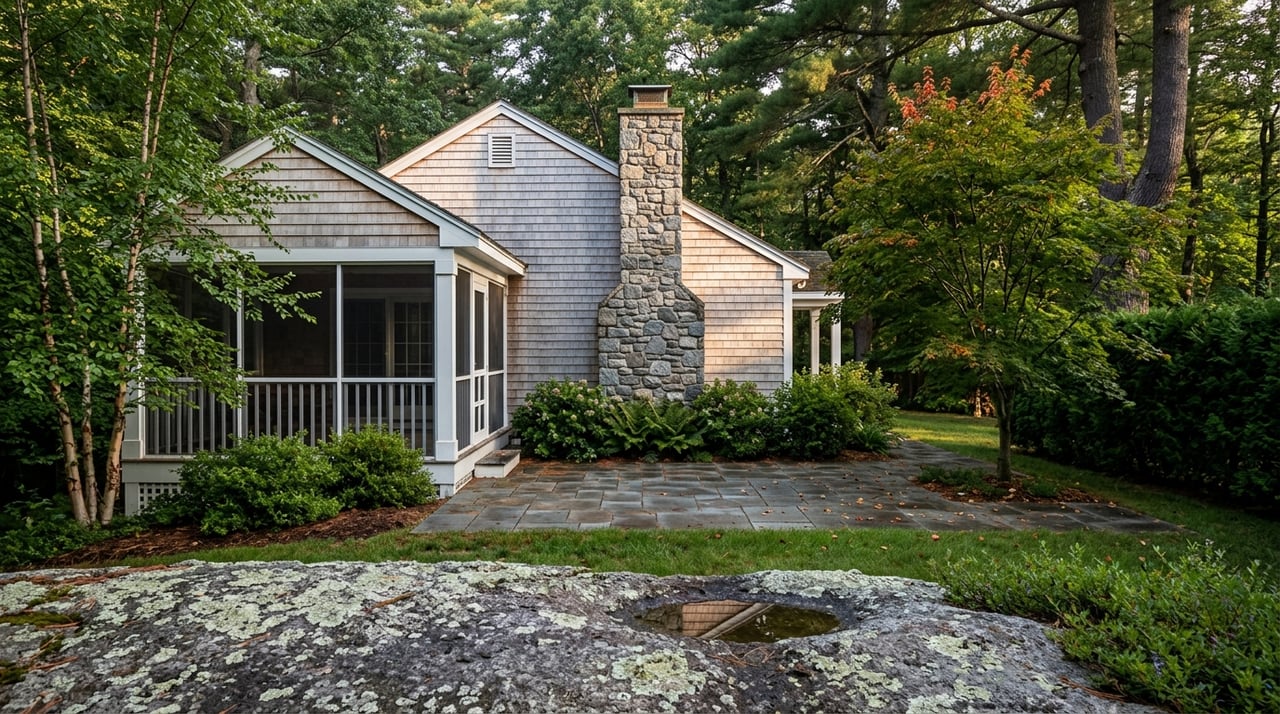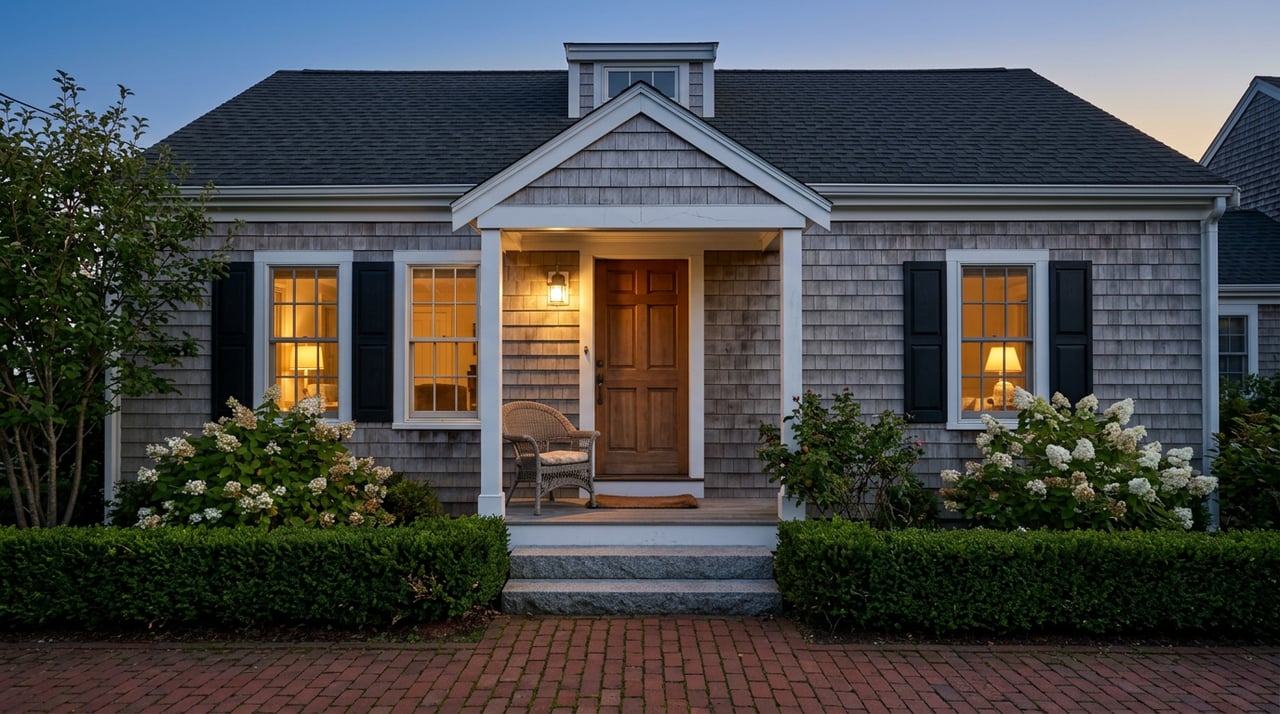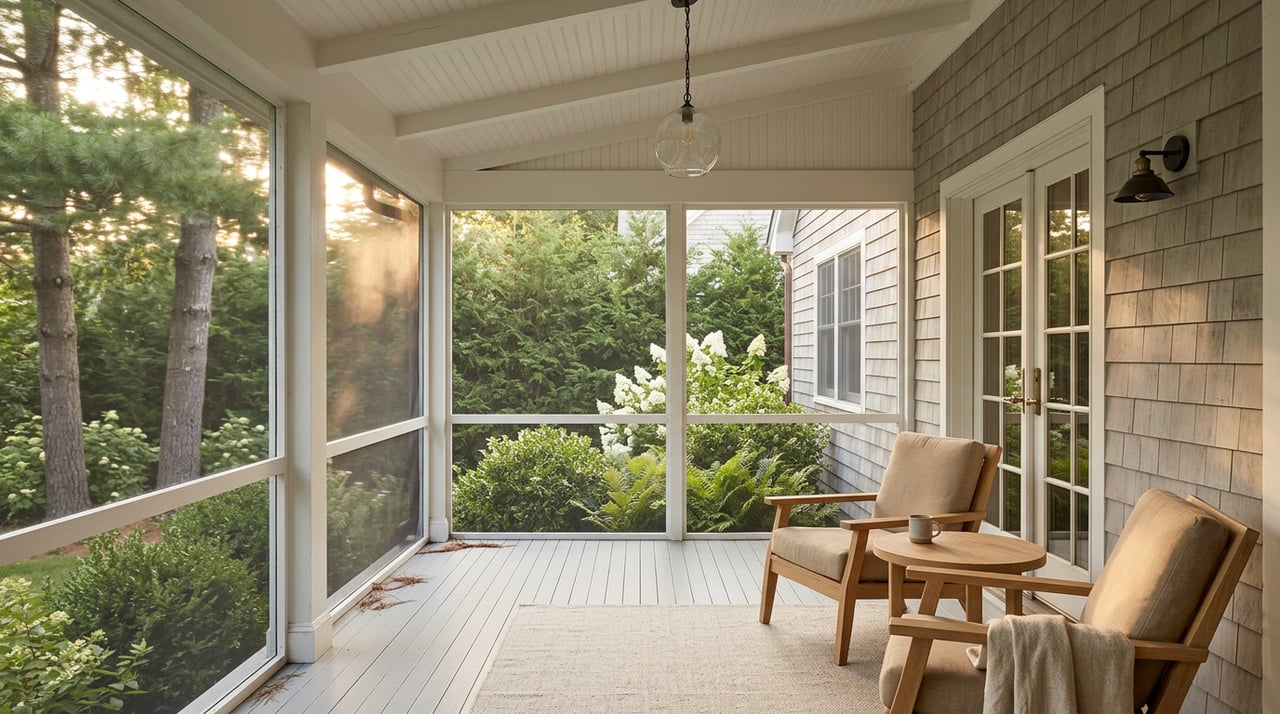
If you are selling a home in Bristol or New Harbor, you are not just marketing square footage or a water view. You are presenting a coastal ownership experience that buyers will measure against harbor access, seasonal use, property systems, and the feel of the Pemaquid Peninsula itself. When you position that story well, you can attract more serious buyers and build confidence from the start. Let’s dive in.
Why coastal buyers look differently
Coastal buyers in Bristol often make decisions based on more than finishes or price per square foot. They are also weighing how a property fits the area’s natural setting, harbor culture, and seasonal rhythm.
According to the Town of Bristol overview, Bristol sits on the Pemaquid Peninsula and includes the villages of Bristol Mills, Round Pond, Chamberlain, New Harbor, and Pemaquid. That village-based identity matters because buyers are often drawn to the distinct feel and function of each location, not just the mailing address.
Bristol’s own planning documents describe the town as an unpretentious, welcoming coastal community with strong rural character and natural beauty. In practical terms, that means buyers often respond best to listings that feel authentic to the setting rather than overly generic or heavily stylized. A home that clearly connects to place usually stands out more than one that could be anywhere.
Lead with the property’s setting
For many coastal buyers, the first question is simple: What is it like to be here? Your listing should answer that quickly and clearly.
In New Harbor, that story is especially strong. Bristol’s comprehensive plan notes that New Harbor includes a mix of historic, natural, and commercial sites, with practical amenities on New Harbor Hill such as a grocery store, bank, gas station, marine supply center, restaurants, and other visitor-oriented uses. That combination gives buyers a useful picture of everyday convenience alongside coastal character.
The same local planning document also highlights nearby destination points like Pemaquid Point, inns, recreation rentals, and a fishermen’s museum. If your home is connected to that part of the peninsula lifestyle, your marketing should show it in a grounded, factual way. Buyers want to understand how the home fits into the broader coastal experience.
Highlight function before romance
Beautiful photos matter, but coastal buyers tend to look for substance quickly. Once they like the setting, they want to know how the property actually works.
A strong listing for Bristol or New Harbor should clearly explain details such as:
- Whether the home is year-round or seasonal
- Whether there is deeded or shared water access
- Whether dock rights or mooring rights are included
- Whether there is year-round road access
- Whether the home is winterized
- Whether there are outbuildings for gear or storage
- Whether there are known shoreline, setback, or easement limitations
This kind of clarity is not optional in a coastal market. The Town Clerk resources for Bristol point buyers toward FEMA flood maps, shoreland permits, septic and subsurface wastewater permits, and mooring registrations, which shows how central documents and property specifics are to the transaction process.
Speak to the right buyer type
Not every coastal buyer is looking for the same thing. The best positioning reflects the most likely audience for your home.
Boaters and marine-minded buyers
If your property appeals to boaters, make that obvious early in the listing story. Bristol’s planning materials reference the New Harbor Fishing Co-Op, Shaw’s Wharf, and practical marine-oriented services in New Harbor Hill, all of which reinforce how important boating access is in this market.
For these buyers, focus on low-friction use. That may include launch proximity, mooring details, dock access, harbor convenience, and storage for gear. The easier you make it for a buyer to picture using the water, the stronger your positioning becomes.
Second-home and legacy buyers
Second-home buyers are a natural fit in this area, and the data supports that. Bristol’s comprehensive plan shows that in New Harbor there are 1,008 housing units, with 597 listed as seasonal or occasional-use units. That tells you seasonal ownership is not unusual here. It is part of the local housing pattern.
For this buyer, the emotional story matters, but it should still be rooted in the facts of ownership. Show how the home supports relaxed summer living, time with family and friends, and simple maintenance when the owners are away. Buyers in this category often want a property that feels memorable without feeling complicated.
Year-round and remote-work buyers
Some buyers are drawn to Bristol and New Harbor for quieter year-round living. In those cases, your listing should lean into practical comfort.
That can mean highlighting office space, privacy, dependable systems, and the ability to live well outside the summer season. New Harbor’s mix of year-round services and village infrastructure can support that story when it is relevant to the property.
Show seasonal appeal at the right time
Timing affects how coastal homes are experienced. In Bristol and New Harbor, many buyers are also shopping for a summer-use lifestyle, not just a structure.
The Pemaquid Point Lighthouse Park information page notes that the park is open daily from mid-May through mid- to late October, while Pemaquid Beach Park operates from June through early September. Those seasonal schedules are a useful reminder that late spring through early fall often gives buyers the clearest view of what makes this area special.
That does not mean a winter listing cannot succeed. It means your presentation should work harder if the coastline, landscaping, and harbor activity are not fully visible. In-season photography, video, and property storytelling can make a major difference when you are selling a home tied closely to outdoor use and water access.
Prepare for diligence before going live
In coastal Maine, serious buyers often move quickly to the practical questions. If you can answer them early, you reduce friction and strengthen trust.
Bristol has limited zoning beyond shoreland zoning and a one-acre minimum lot size, but the town’s planning documents also note the importance of clean drinking water and proper waste disposal in guiding future growth. For sellers, that means private well, septic, and setback questions can carry real weight in both pricing and buyer confidence.
If your home is waterfront, near the water, or dependent on private systems, gather the key information before listing. That may include permits, septic records, water information, flood-map context, access details, and any mooring or harbor-related documentation. A smoother process often starts with better preparation.
Understand shoreland and harbor rules
Coastal buyers are increasingly aware of regulatory details, especially when a property involves shoreline use. They do not just want the lifestyle. They want clarity.
The South Bristol code enforcement page explains that Maine’s Shoreland Zoning Act regulates land use within 250 feet of great ponds, rivers, freshwater and coastal wetlands, and tidal waters. While South Bristol is a separate town, it shares part of the broader coastal buyer pool, and that means many buyers are already primed to ask these questions anywhere nearby.
South Bristol also adopted a harbor ordinance in March 2025, with annual mooring-permit renewal and inspection reports every three years, as described on the town’s harbor information page. If your property story includes moorings, docks, or harbor use, buyers will expect specifics rather than vague language.
Position resilience as part of value
Today’s coastal buyers are not just buying views. Many are also thinking about durability, access, and long-term use.
Bristol’s Community Resilience Partnership materials show that the town is actively studying sea level rise, wind, storm impacts, storm surge, and flooding as they affect infrastructure, working waterfront, and community assets. That does not mean your listing should sound alarmist. It means thoughtful buyers may appreciate clear information about construction, site conditions, drainage, access, and year-round usability.
When you position resilience as part of ownership confidence, you speak to the way real coastal buyers actually evaluate property. That is especially important in a market where practical details can shape both buyer comfort and transaction speed.
Price and presentation both matter
Even in a desirable coastal market, thoughtful pricing and presentation remain essential. The latest Maine Economic Indicators report shows Lincoln County recorded 81 home sales from December 2025 through February 2026, with a median sale price of $435,000. Sales were down 11.0% year over year, while median price rose 1.2%.
The same report says Maine active listings were up 20% year over year in February 2026, though still 53% below February 2019. In plain terms, inventory is improving, but sellers still benefit from a strategy that is deliberate, polished, and grounded in what buyers actually need to know.
That is why strong coastal marketing is rarely just about luxury presentation. It is about pairing high-quality visuals with pricing discipline, accurate documentation, and a listing story that reflects the way people buy in Bristol and New Harbor.
What strong coastal positioning looks like
If you want to reach the right buyers, your home should be marketed with a clear structure:
- Start with place by showing how the home fits Bristol, New Harbor, or the surrounding harbor lifestyle.
- Explain function with specific ownership details, systems information, and water-access facts.
- Support confidence with documents and practical answers buyers can verify.
- Match the buyer by tailoring the emphasis toward boating, second-home use, or year-round living.
- Use the right presentation with strong visuals and timing that capture the property in its best coastal light.
When this is done well, a home feels both aspirational and credible. That balance is what often separates a listing that gets attention from one that earns real offers.
If you are preparing to sell a Bristol or New Harbor property, especially one with waterfront, harbor, acreage, or system complexity, early strategy matters. A thoughtful pricing plan, strong presentation, and careful diligence can shape how buyers see the home from day one. If you would like a tailored opinion on how to position your property for today’s coastal market, connect with Colin Harvey.
FAQs
What do coastal buyers in Bristol and New Harbor care about most?
- Coastal buyers often focus on location, water access, harbor usability, whether the home is seasonal or year-round, and the clarity of details like septic, flood, shoreland, and mooring information.
How should a Bristol home listing appeal to second-home buyers?
- A Bristol listing should show how the home supports easy seasonal enjoyment, memorable time on the coast, and manageable ownership, while clearly explaining the practical side of maintaining the property.
What should sellers disclose about water access in New Harbor?
- Sellers should clearly explain whether access is deeded, shared, or nearby, and whether dock rights, mooring rights, launch convenience, or storage features are included with the property.
Why do shoreland and septic details matter for Bristol-area home sales?
- These details can affect buyer confidence, financing, use of the property, and transaction timing, especially for homes near the shoreline or those served by private systems.
When is the best time to market a coastal home in Bristol or New Harbor?
- Late spring through early fall often gives buyers the best sense of the area’s light, landscape, harbor activity, and seasonal lifestyle, though homes can still sell outside that window with strong preparation and presentation.
Should sellers gather permits and property documents before listing a Bristol coastal home?
- Yes. Having records related to septic, shoreland permits, flood maps, access, and mooring or harbor use can help answer buyer questions early and support a smoother sale.