Buying or selling a camp, island lot, or large acreage around Moosehead Lake and Greenville can feel exciting until the appraisal lands on your desk. Unique properties do not fit neatly into standard forms, and the usual suburban comps are scarce. You want a fair, credible value that supports your plans, financing, and timeline. In this guide, you’ll learn how appraisals work here, what truly drives value in 04441, and how to prepare so the process goes smoothly. Let’s dive in.
Unique Moosehead property types
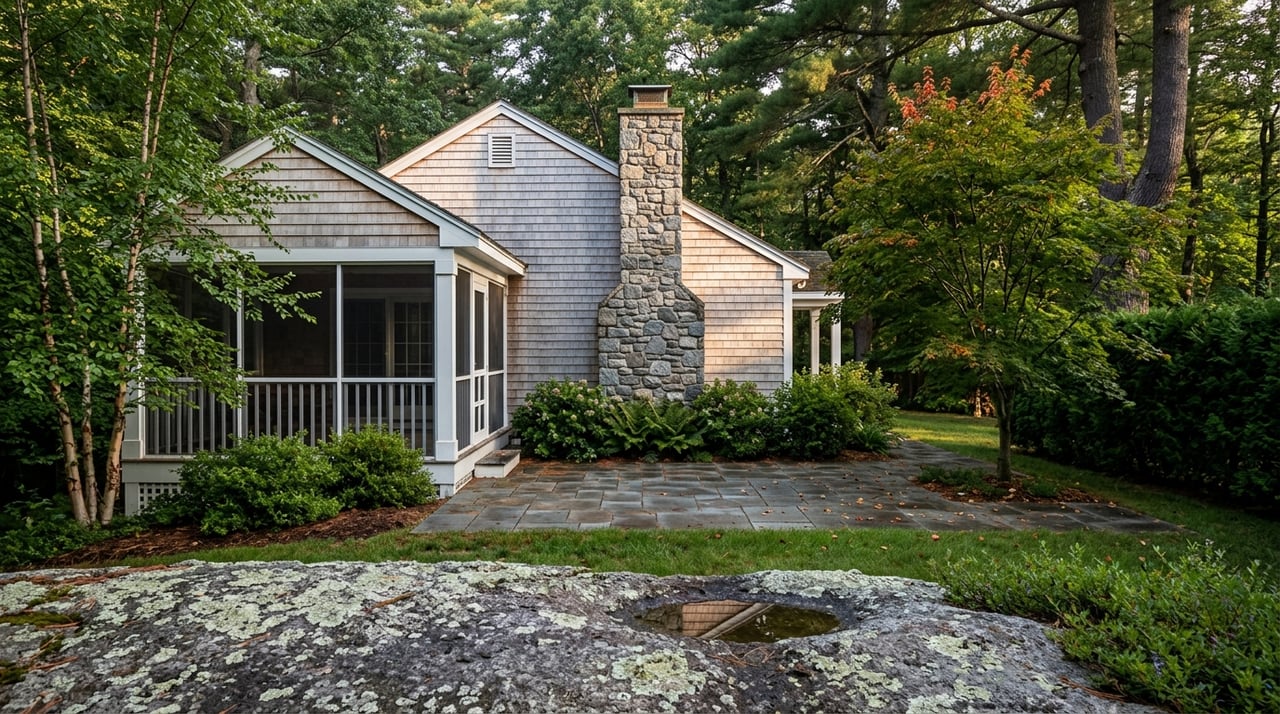
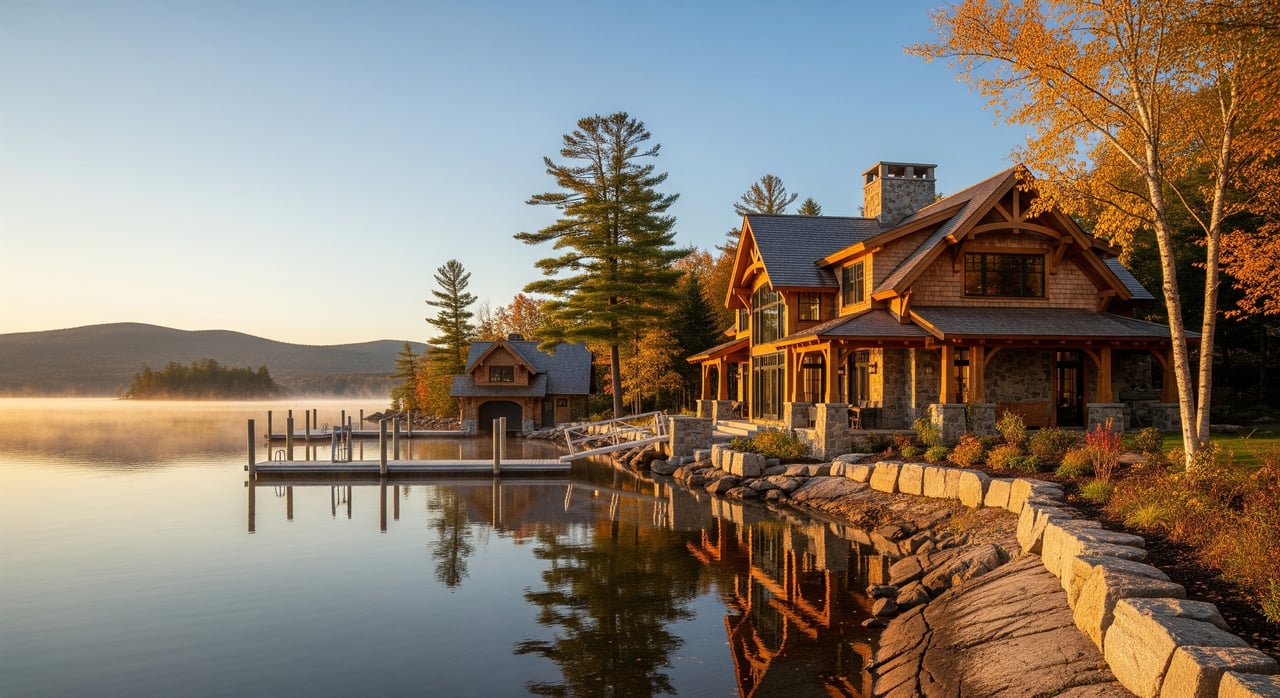
Moosehead Lake’s market is diverse. You see waterfront camps and cottages, island parcels with boat-only access, remote tracts with private roads, working timberland, and historic camps or mixed-use lodge operations. Sales volume is seasonal and the buyer pool ranges from local owners to out-of-state second-home buyers. Because sales are less frequent than in suburban areas, comparable sales are thinner and appraisals require more interpretation.
The appraiser’s job is to analyze how buyers actually behave in this niche market. Expect careful attention to shoreline quality, access and utilities, timber potential, regulatory limits, and income or rental performance if the property generates revenue.
Appraisal basics adapted to Moosehead
Sales comparison approach
This is the primary method for most residential and recreational properties. Around Moosehead, the challenge is finding true apples-to-apples sales. Appraisers often expand the geographic search, adjust for time trends, and quantify differences such as frontage length, shore type, view quality, dock or boathouse, and access. When data is limited, the report will explain why and show how adjustments were made.
Cost approach
When comps are scarce or improvements are highly unique, appraisers estimate the replacement or reproduction cost of the improvements and deduct depreciation. This helps with new or custom-built camps, boathouses, or historically significant structures. The land value is supported by market evidence, then the cost approach helps bracket an overall indication of value.
Income approach
If the property generates measurable income, the appraiser may use an income method. Examples include mixed-use lodges, cabin clusters used for short-term rentals, and timberland with harvest revenue. Expect a review of verified income and expense records, occupancy data, septic capacity for rentals, and, for timber, inputs like a forester’s report or timber cruise. Some assignments may warrant discounted cash flow modeling or per-acre market analysis informed by timber data.
Value drivers you can document
Shoreline and water access
On Moosehead, not all frontage is equal. Usable frontage, depth for swimming or docking, protection from prevailing winds, and view quality matter. The existence and condition of docks or boathouses, any mooring rights, and permits for in-water structures influence value. Deeded riparian and boat access rights must be clear. Ambiguous or shared rights often affect marketability and price.
Septic, wells, and utilities
Many seasonal camps predate modern systems. Appraisers look for permitted and operational septic and water systems, current capacity, and any records that support expansion plans or rental use. If the property uses seasonal water or has limited electrical service, that can narrow the buyer pool. Lenders may require repairs or third-party certifications before closing.
Road access and winter reliability
Private roads, rights of way, and maintenance obligations are critical. Recorded agreements, plowing plans, and who pays for upkeep affect marketability and operating costs. Limited or uncertain winter access can depress value, particularly for year-round buyers or lenders with strict eligibility rules.
Easements and shoreland zoning
Conservation easements, trail or road easements, or unusual deed restrictions can limit highest and best use. This often reduces market value relative to unrestricted land. Maine’s Shoreland Zoning and the local municipal ordinances set setbacks, lot coverage, vegetation clearing limits, and septic setbacks. Understanding what is permitted near the shoreline helps set realistic expectations.
Timber resources and large acreage
For timberland or large tracts, species mix, merchantable volume, access to markets, topography, and harvest costs matter. A professional timber cruise or forester’s report is often necessary when timber value is material to the overall property value. Appraisers may engage forestry expertise or request owner-provided reports to support credible conclusions.
Environmental and hazard factors
Flood exposure, wetlands, and steep slopes can limit usable area and influence insurance needs. Appraisers review available mapping and may note potential constraints such as protected habitats or other environmental designations when relevant.
Documents to gather for a stronger appraisal
Help your appraiser tell a complete story. Provide:
- Deed and any title summary, including easements or restrictions
- Prior appraisals and recent MLS listings or sales history
- Assessor’s tax card, sketch, and town tax map reference
- Survey or boundary map and any recorded right of way documents
- Septic permits, well test results, and any environmental reports
- Dock or boathouse permits and shoreland approvals
- Timber cruise or forester’s report if timber value is material
- Rental income and expense statements with occupancy history
- Road maintenance agreements or HOA covenants
Choosing the right appraiser
Not every appraiser is qualified for complex rural or mixed-use properties. For high-value, mixed-use, timberland, island, or otherwise complex assignments, a Certified General Appraiser is often required by lenders and is a smart choice even for private appraisals. Ask about recent experience on Moosehead Lake or similar inland lakes in Maine, experience with island or boat-access parcels, and familiarity with timber or income-producing lodge operations when applicable.
Inspection and access tips
- Provide clear directions, including boat dock locations, gate codes, or private road instructions.
- Ensure safe access and basic maintenance so condition is easy to observe.
- Share digital copies of surveys, permits, rental records, and any specialty reports.
- For boat-only or remote properties, discuss logistics early. In some cases, appraisers may rely on aerial imagery or third-party inspections if conditions limit access.
Timeline, fees, and expectations
Expect longer timelines and higher fees compared with standard suburban homes. Travel time, specialty research, and possible outside inputs such as a forester can extend the process. Inspections are typically completed in a single visit, and the report takes from several days to a few weeks depending on complexity and schedule. Unique properties may be reported on standard residential forms or in narrative formats with expanded commentary and limited comparable sales data.
Appraisals intended for lending must follow recognized standards and lender guidelines. Report formats and appraiser qualifications are influenced by those requirements.
Financing and underwriting realities
Many lenders will finance remote, island, or mixed-use properties, but underwriting can be stricter. You may see higher down payment requirements, property eligibility criteria, and a requirement for a Certified General Appraiser. Clear documentation of access, utilities, permitted systems, and income history strengthens the file and reduces surprises late in underwriting.
If the value misses the mark
Sometimes the appraised value lands below the contract price. You have options:
- Request a reconsideration of value with additional market data, rental records, permits, or relevant sales not initially considered.
- Order a review or a second appraisal if permitted by the lender.
- Revisit terms, timing, or contingency plans while new information is evaluated.
Local resources to consult
When compiling documents or planning improvements, you can consult:
- Town of Greenville assessing office for property cards, tax maps, and shoreland zoning info
- Piscataquis County Registry of Deeds for deeds, recorded easements, and right of way documents
- Maine Department of Environmental Protection guidance on shoreland zoning and permitting
- Maine Forest Service for timber resources and forest owner guidance
- FEMA Flood Insurance Rate Maps for flood risk context
These offices and agencies provide the records and context appraisers rely on when forming credible opinions of value.
Ready to move forward?
If you’re planning a sale, purchase, or refinance around Moosehead Lake, a well-prepared appraisal can remove friction and protect your timeline. Whether you need pricing guidance before listing, help curating documents, or a strategy for a complex property, we can help you set the right plan. Connect with Colin Harvey to align valuation, marketing, and negotiations with your goals.
FAQs
Who pays the appraisal fee in 04441?
- In most financed purchases, the buyer pays the appraisal fee. Either party can order a private appraisal for planning, estate, or listing purposes.
How long do unique Moosehead appraisals take?
- The inspection is usually one visit, with research and reporting taking several days to a few weeks depending on property complexity and the appraiser’s schedule.
Will lenders finance boat-only island properties?
- Many lenders will consider them, but underwriting may be stricter, require a Certified General Appraiser, and apply higher down payments or specific eligibility rules.
Do conservation easements lower value in Greenville?
- Generally yes. Easements limit highest and best use, which tends to reduce market value. The impact depends on the specific restrictions and permitted uses.
Should I get a timber cruise before an appraisal?
- If timber value is a material part of the property’s value, a professional timber cruise or forester’s report is strongly recommended to support credible valuation.